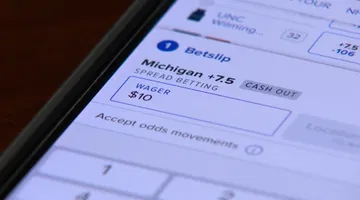
Bettors in North Carolina wagered more than $666 million on sports through the state’s legal operators, the fifth consecutive month that the state has eclipsed $600 million in paid wagers.
The period from September to January overlaps with the football season. In those five months, bettors wagered more than $3.55 billion in paid wagers.
Other WRAL Top Stories
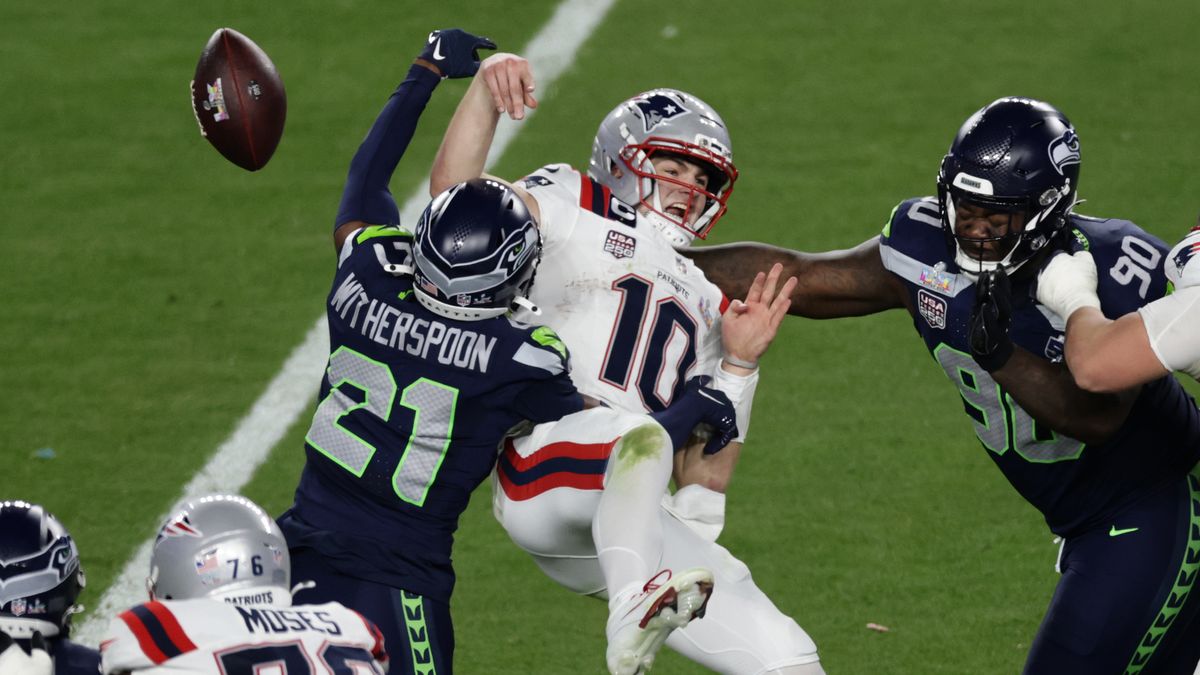
Sunday’s Super Bowl, typically the biggest single sports betting day of the season, marked the end of the 2025 season. Those numbers aren’t included in the January report. North Carolina was forecast to bet more than $75 million on the game.
The amount wagered in January 2026 was up 7% from the amount bet in January 2025, according to numbers released by the North Carolina State Lottery Commission, which oversees sports betting in the state.
Sports betting launched in March 2024. The amount bet in paid wagers has exceeded $600 million nine times, including $700 million twice, in 23 months since.
Recent sports betting scandals in Major League Baseball, the National Basketball Association and college basketball have led to criminal charges against players and others, but they don’t seem to have limited the appetite for legal sports betting.
Bettors have placed more than $12.6 billion in paid wagers plus another $691 million in promotional bets since the launch of legal sports betting in North Carolina.
The state has collected more than $250 million in taxes from operators. January’s $14.4 million in taxes marked the fifth consecutive month with more than $12 million in taxes paid by the operators, who pay an 18% tax on gross wagering revenue. Operators have made just short of $1.4 billion in gross wagering revenue as calculated by the Lottery Commission.
The money is distributed to the state’s Department of Health and Human Services, two youth sports programs, the athletic departments at UNC System schools (not NC State or North Carolina), a major events fund and the general fund.
The WRAL Documentary Unit is examining the impact of legalized sports betting over the past two years, with a documentary set to premiere across all WRAL platforms on March 18.
"We've seen increased tax revenue from gambling obviously," Kelly Crosbie, a director in the division of substance abuse at the NCDHHS, said during an interview for the WRAL documentary. "We've all seen increased advertising of every kind, on social media, billboards, radio, TV. We've also seen a huge increase about people reaching out for problem gambling resources."