A series of storm systems are dumping feet of snow on the western mountains of the U.S.
This includes the Sierra Nevada, Cascades, Rockies, Wasatch, etc.
Other WRAL Top Stories
Several people are reported missing in the Sierra Nevada after an avalanche Tuesday.
In addition to the snow, there's flooding concern in parts of California that have burn scars from last year's wildfire season.
Despite all of this, there is some benefit to the snow out that way - especially in a winter that's defied the odds in the West.
On WRAL at 6:00 p.m., Elizabeth Gardner will walk us through the historic snow drought in Salt Lake City and its impact on water supply and the 2034 Winter Olympics.
You can watch it live here.
How much snow is falling out west?
As with any snowstorm that involves elevation, snow totals are highly variable.
The National Weather Service offices in Reno, Nevada and Sacramento, California are already reporting snow totals of two-to-three feet on places like Donner Pass, California.
Several more feet of snow are possible along the highest peaks on the California-Nevada border.
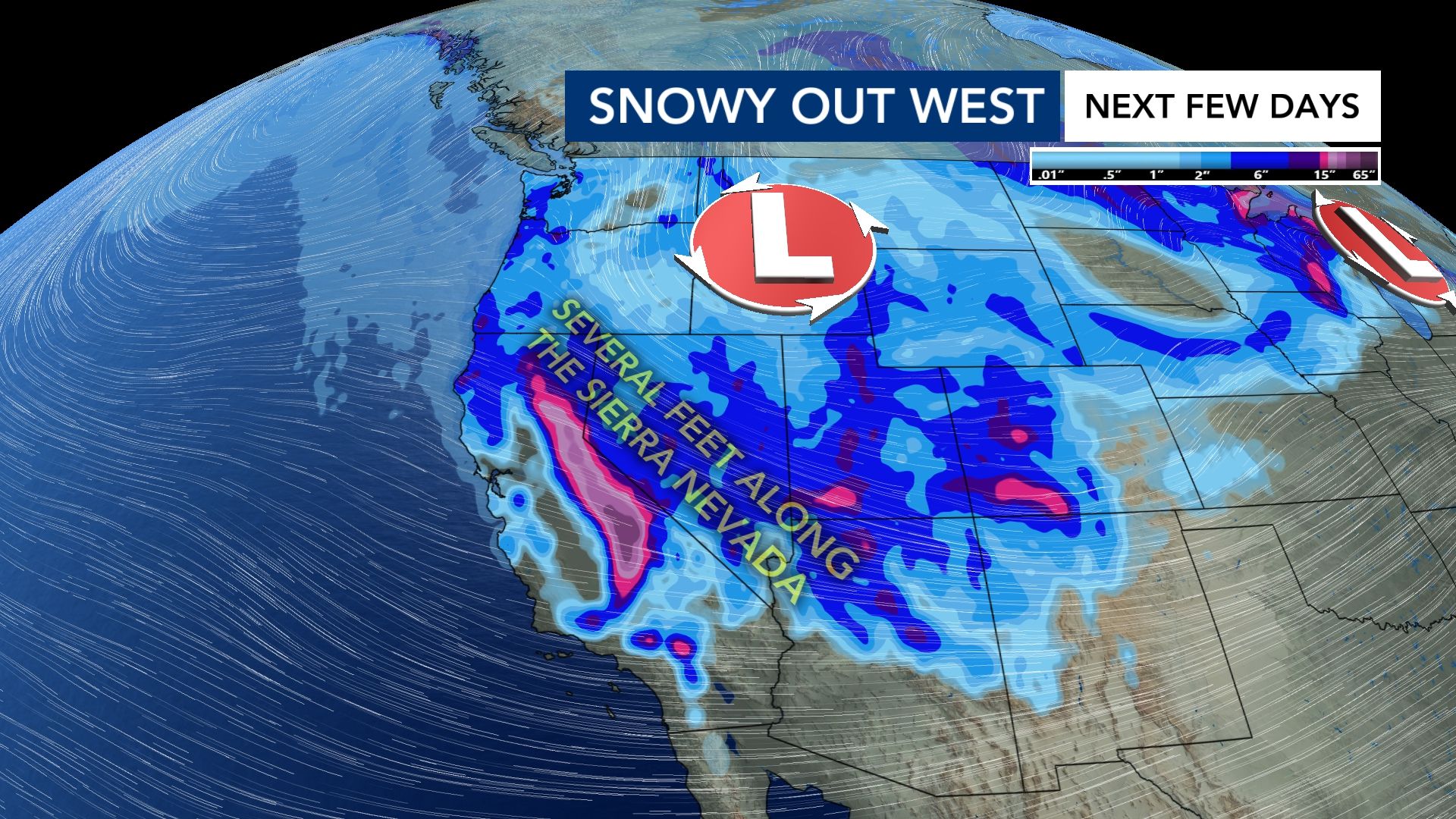
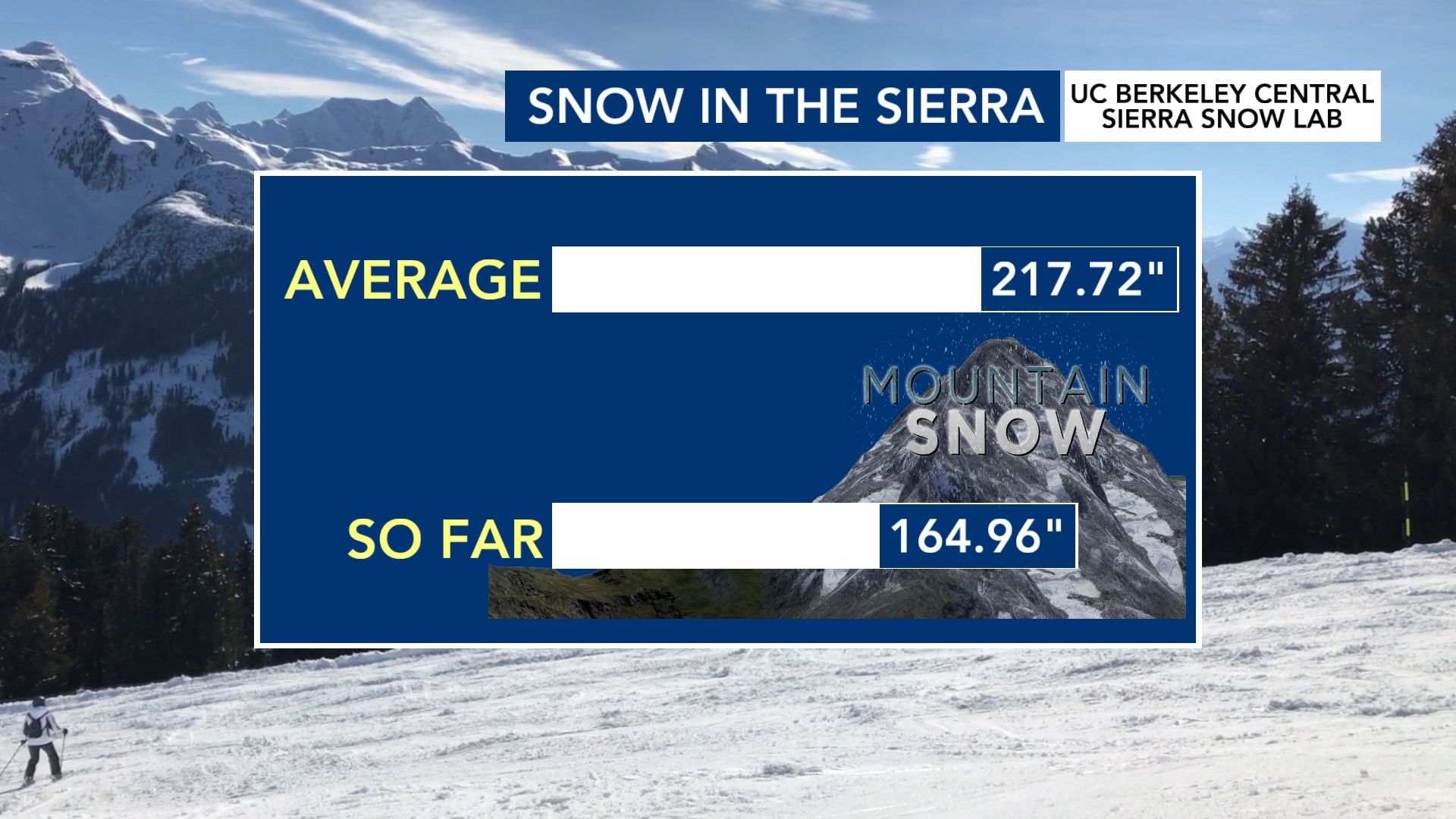
This comes in a winter that's been below-average in terms of snow for the Sierra.
The numbers below come from the UC Berkeley Central Sierra Snow Lab. So far, the lab is more than four feet below average on snow for its "water year."
Meanwhile, other parts of the Rockies are under Winter Weather Advisories and Winter Storm Warnings this week.
There were also Avalanche Watches in effect Tuesday. As you read above, those unfortunately verified.
How do avalanches form?
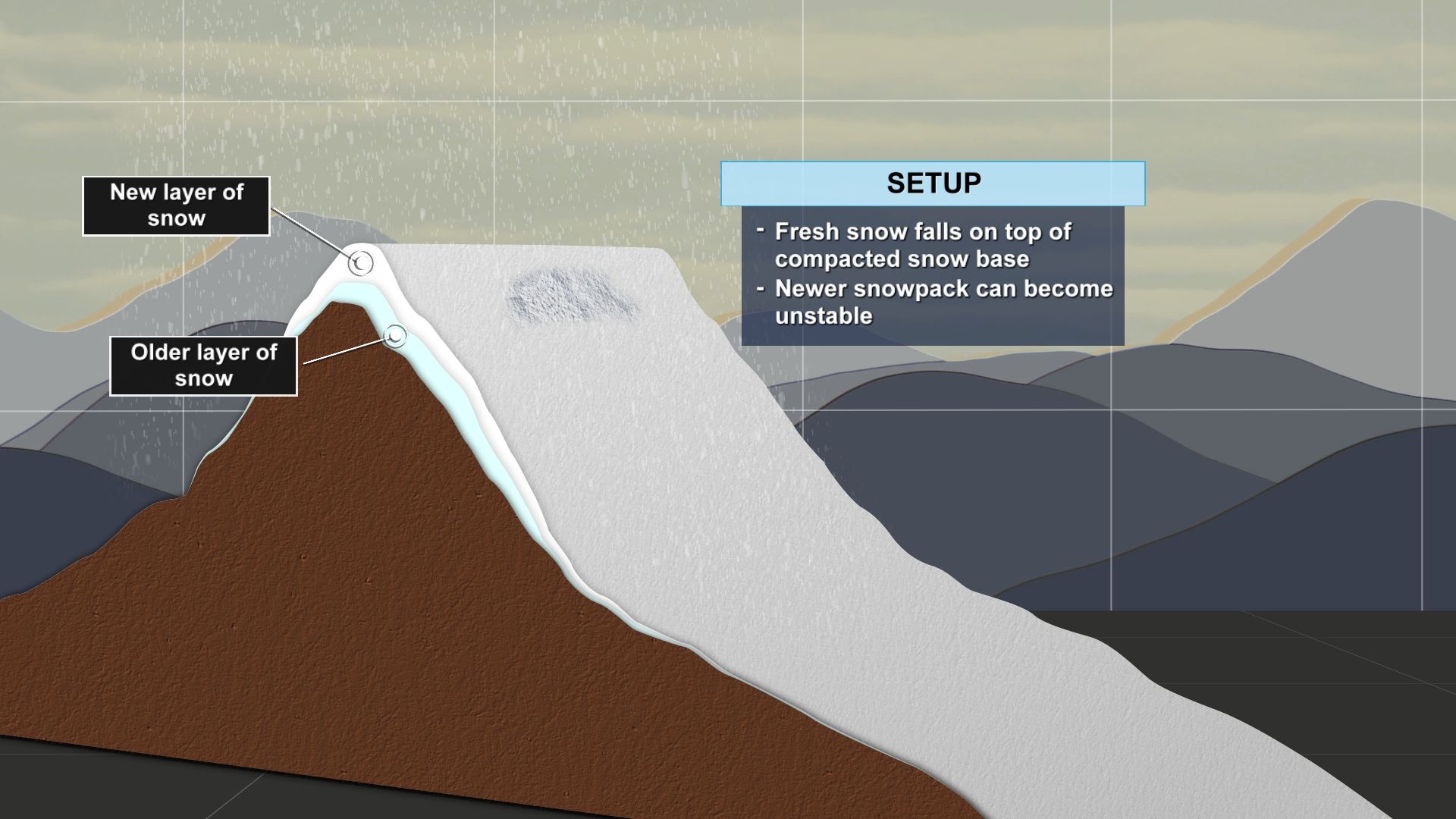
Avalanches form under a specific set of circumstances.
You first have fresh snow that falls on top of a compacted snow base. That new snowpack can become unstable, especially when other factors are involved.
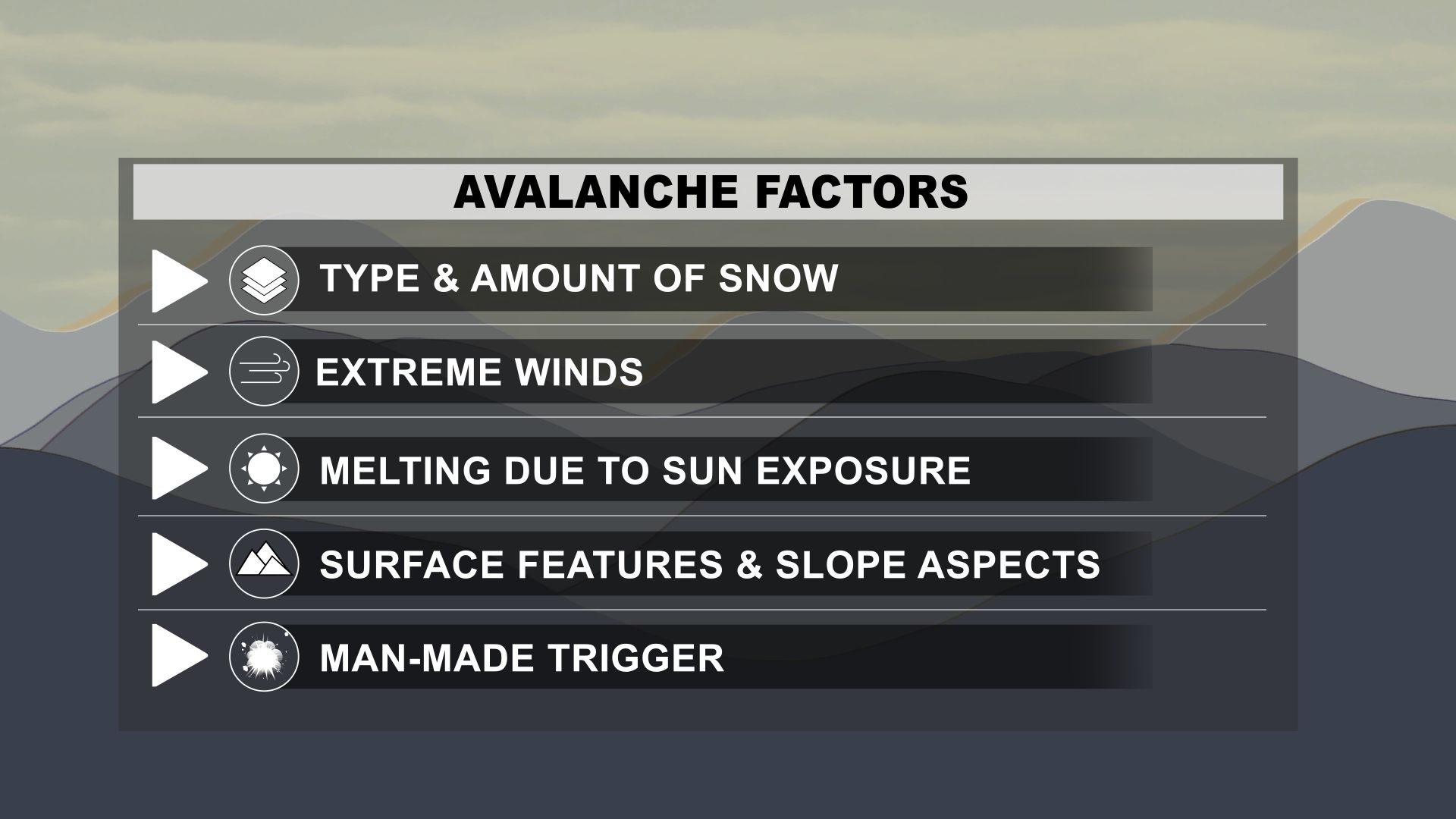
Wind gusts are a big part of this. The aforementioned NWS offices mentioned wind gusts peaking between a range of 50 mph and 100 mph (again - depending on elevation) Monday night and Tuesday.
The National Weather Service in Reno said, “A powerful storm with rapidly accumulating snowfall and strong winds may cause widespread avalanche activity in the mountains. Large avalanches capable of burying or injuring people could occur in backcountry areas.”
In addition to the wind, melting, surface/slope features and man-made triggers can lead to an avalanche.
Why would a storm like this be beneficial, then?
It's a game of risk-reward with storms like this.
Aside from tourism and increased business to ski resorts (in spite of the risk), snowstorms like this are crucial to the water supply in parts of the Western U.S.
That's especially the case in a place like Salt Lake City, Utah, where 95% of the water supply comes from the snowpack.
Over the years, however, their average snow per winter continues to plummet.
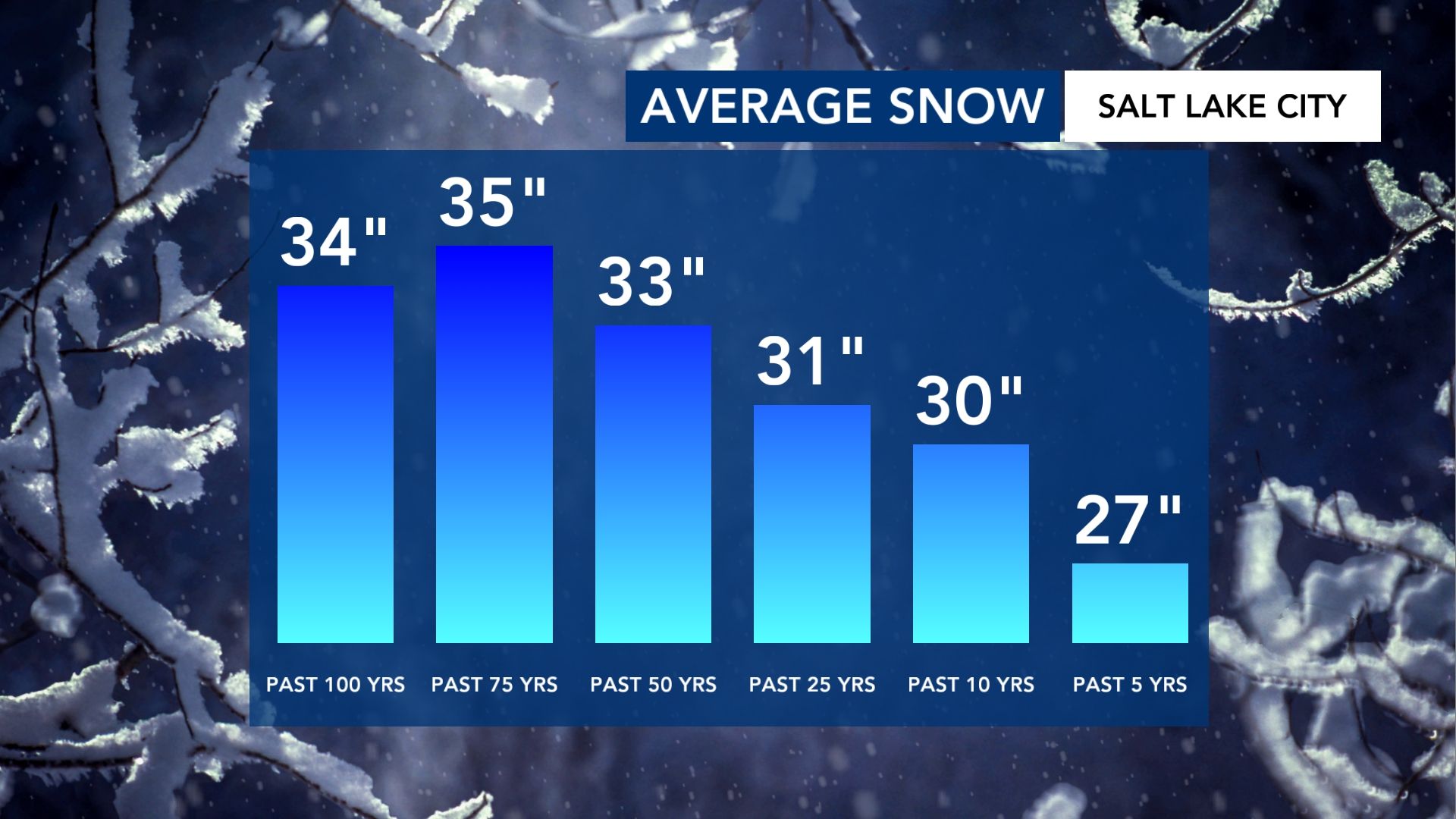
This winter, Salt Lake has only seen 0.1" of snow. That will change this week.
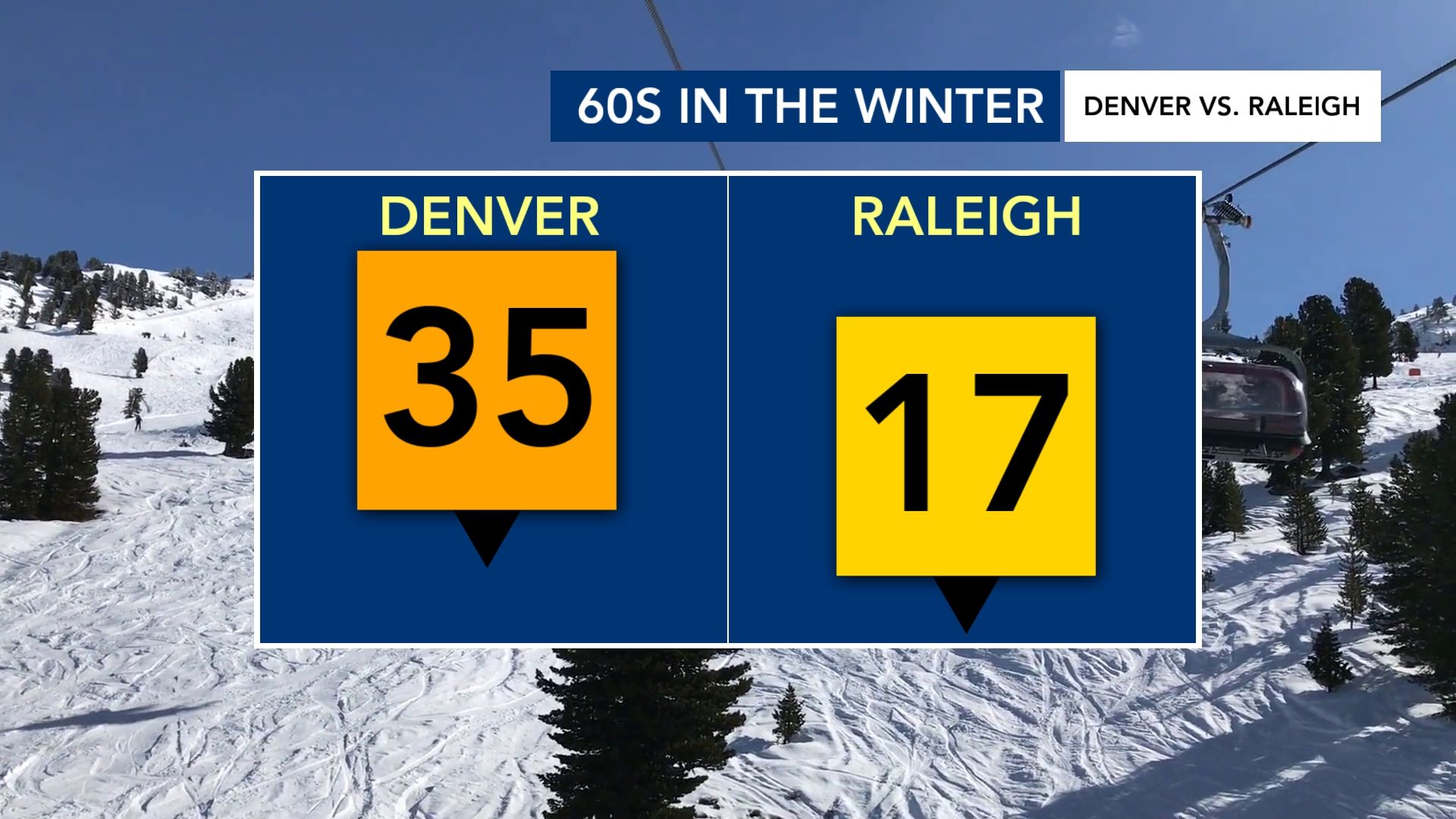
Similarly, in Denver, they've seen unprecedented warmth this winter. They've had five weeks worth of 60° warmth, nearly doubling that of Raleigh this winter.
---
The pattern is reversing, though.
While the West deals with more frequent storms and mountain snow, the Eastern U.S. (mostly) turns warmer than average through the end of February.
Aside from snow in the Northeast/New England, our winter weather odds are close to zero for the time being.
Get the latest WRAL forecast any time by checking on this story!