Heart disease has been the leading cause of death in the United States for more than 100 years, yet diagnoses continue to climb.
A study by The American Heart Association found 51% of Americans were not aware of the disease’s prevalence even though 48% of adults have some type of cardiovascular disease.
Other WRAL Top Stories
Where knowledge is power in heart disease prevention, Dr. Doug Friedman with WakeMed recommends a noninvasive calcium score test to help raise awareness and save lives.
“We don’t routinely catch disease without symptoms – that’s really where the role of screening takes place,” the cardiologist said. “Outside the traditional risk factors, which have been more or less the same forever – high cholesterol, diabetes – we don’t use very many other factors. That’s why the calcium score is such an important and novel option we have now.
“If you have calcifications on the heart arteries, it’s very closely correlated with cardiovascular disease,” explained Friedman. “This helps us understand what your risks are and we can better treat you that way.”
The cardiologist estimates about 20% of the patients he sees have calcium score tests done.
“We catch stuff all the time,” he said.
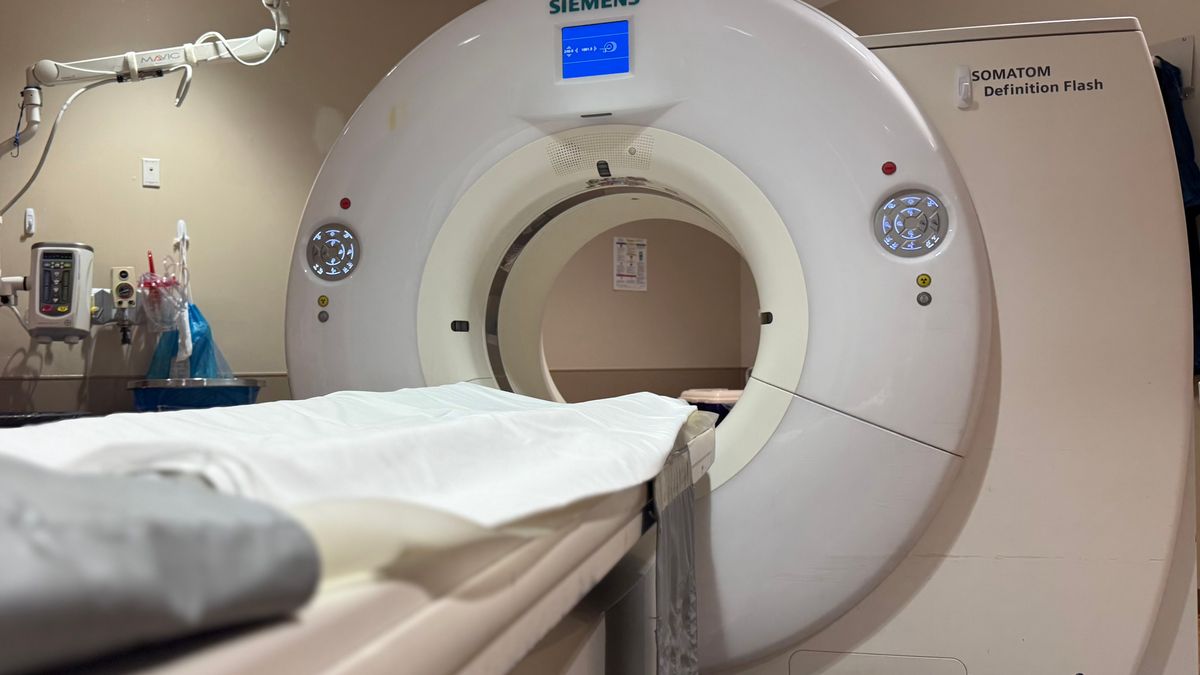
The screening is done via a CT scan and takes only a few minutes to complete. The scan helps analyze the amount of calcification a patient has in their arteries, typically caused by plaque buildup overtime.
He said coronary calcifications don’t automatically mean you will have a heart attack but do indicate impaired blood flow and an increased risk.
Friedman emphasized the test can be an especially helpful tool for patients who may otherwise not have any symptoms.
The American Heart Association reports the average age of a first heart attack is 65.5 for men and 72 for women, but heart attacks have been on the rise among young adults.
Friedman suggests that those with a family history of heart disease consider a calcium score test starting at age 40.
“Usually, you don’t want to screen people with very low risk and generally speaking, around the age of 40 is when you start thinking about these things,” he said. “A lot of people will manifest or show they have coronary heart disease with a heart attack and obviously you want to find it first so you can treat people better. That’s really where the utility of the test is.”
The cardiologist shared he has seen patients with scores as low as 0 to as high as 10,000.
“How to put the score in perspective is somewhat challenging, because it depends on your age and your risk factors. Generally, a score less than 100 is considered lower risk, and then when you get above 100 and certainly above 1,000, puts you at increased risk,” Friedman said.
Amanda Chambers' physician recommended she schedule a screening after her brother suffered a heart attack in the fall. The author, 66, had also released a book during that time and was undergoing a fair amount of stress.
“Sometimes I felt like my chest would be tight,” Chambers recalled. “I think that’s just a wakeup call to go ahead and see if there’s any issue and take care of it. I just want to prevent anything I can.”
When scheduling her test, Chambers said she was surprised to learn of an unfortunate healthcare reality: it wasn’t covered by insurance.
“I have good insurance,” Chambers told WRAL. “I was surprised they wouldn’t put this on our deductible because to me, preventative care is the way to be cost effective.”
WakeMed told WRAL News that the average cost to have a calcium score test completed is $150.
Screenings can be done at a hospital, but the most cost-effective option for patients is to have it completed at an outpatient imaging location.
WakeMed, through Raleigh Radiology, offers CT cardiac calcium scoring screenings at its Clayton, Oberlin, Midtown and Wake Forest imaging locations.
“I think they should try it,” Chambers advised other patients. “It’s a noninvasive test that doesn’t take very long.”
Friedman reminds everyone that other effective ways of reducing the coronary artery disease are maintaining a healthy diet and increasing exercise.