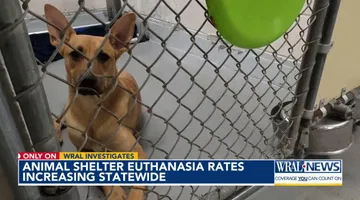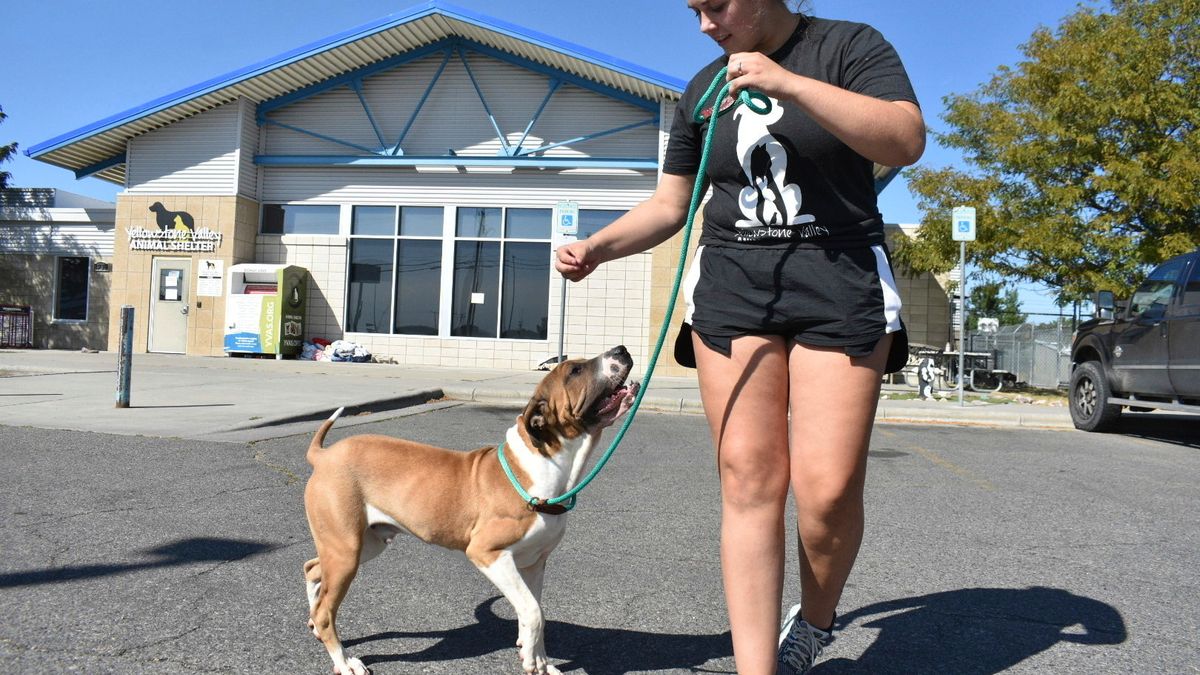
Orange County has some of the lowest euthanasia rates in North Carolina. WRAL Investigates went to the animal shelter in Chapel Hill to find out what is behind the success.
Inside the shelter, there’s a clear sense of accomplishment reflected in the numbers.
Other WRAL Top Stories
“We’re really proud of that,” said Tenille Fox, spokesperson for the Orange County Animal Shelter.
Fox said the success comes down to one main thing: community.
“We have a community full of people that genuinely want to help pets, and they want to help community pets as well, and they want their pets to be spayed and neutered,” she said.
That community connection is exactly what Dr. Patricia Norris, the state's animal welfare director, said is one of the biggest indicators of a shelter’s success.
“A shelter and [its] outcomes are a direct reflection of the community in which they’re in,” said Norris. “So you have a community that dedicates a lot of their volunteer work, a lot of their nonprofit organizations, to supporting that shelter and helping those animals find good homes.”
In Orange County, that support comes in many forms, from partnerships with local organizations to outreach programs and a strong relationship with county leaders.
“Our county manager, our board of county commissioners, they fully support animal services, and they understand how important we are, and that’s vital as well,” Fox said. “So, it’s coming from all sides, and we really need all that.”
The shelter also benefits from statewide resources like the North Carolina Spay and Neuter Program. Orange County budgets about $7,000 per year for reimbursements, which Fox said is about what they need.
But that’s not the case everywhere. In many other counties, those reimbursements barely scratch the surface.
WRAL Investigates asked the question of whether there is enough money in the state program to meet the demand for spay and neuter services and found there is not.
In 2024, about $322,000 was available in the statewide fund, but requests totaled about $636,000.
“There’s not been a year where we have received fewer requests than we had money for,” Norris said.
In communities already struggling with limited resources, that funding gap makes it harder for shelters to succeed.
“We understand that any shelter that may not be doing well is also working really hard, and they may also have really great support,” Fox said. “It's just sometimes things don’t click as easily or aren’t as achievable as quickly.”