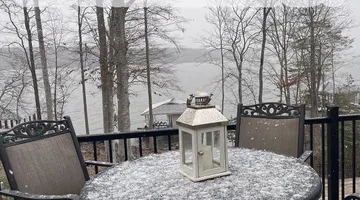
With ice in the forecast, there is the chance that some across central North Carolina will lose power, perhaps for days. The quest to keep warm can bring risks -- from fire, carbon monoxide, even rotted food.
Before the storm hits is the time to prepare so you and your family stay cozy, safe and healthy.
Other WRAL Top Stories
How to prepare for a possible power outage
When ice builds up on wires and branches, the weight can snap power lines, leaving homes in the dark and cold.
Insulation helps to hold the heat
Preparing your home for winter cold can save you money all season long, and extra insulation will hold in heat if the power goes out.
Consumer Reports’ Paul Hope says, “Getting out ahead of winter could save you a lot of money on your energy bills and in the form of preventable repairs. The classic example is a burst pipe. It may only be a few bucks to protect it now but if you don’t do it, you may end up with a repair that can cost thousands later.”
Check and reinforce any exposed copper or PVC pipes in your basement, under sinks, in attics, crawl spaces and along exterior walls.
While you’re in those spaces, take a look at the insulation situation, because insulating your attic can help you save money in two crucial ways.
The first and most obvious is that it’s going to keep the heat in living quarters where it belongs, and you’re not going to be wasting money heating an attic. The second is it can prevent ice dams from forming on your roof, which can lead to costly repairs.
Walk the perimeter to check for leaks
Inspect your roof for loose shingles and clean clogged gutters, and take a look at the trees around your property. If things aren’t buttoned up, wind, rain, and snow can wreak havoc in these areas.
If the heat goes out
Most homes start losing warmth within just a few hours. And depending on how cold it is outside, indoor temperatures can drop to unsafe levels in as little as 12 to 24 hours.
How fast your house loses heat depends on factors like insulation, window quality and the age of your home. A newer, well-sealed house will hold heat much longer than an older, drafty one.
For families and pets, once temperatures fall below 50 degrees, the chance of hypothermia increases, especially for children and older adults.
Close off unused rooms, layer up, and cover windows with blankets to trap heat. Use space heaters or fireplaces carefully, and never use an oven, generator or grill indoors because of carbon monoxide risk.
Do not drink alcoholic or caffeinated beverages. They cause your body to lose heat faster.
For your house, the biggest danger is frozen pipes. Pipes can start to freeze when indoor temps dip below 55 degrees, and bursting pipes can cause major water damage. To protect your plumbing, let faucets drip slowly and open cabinet doors under sinks to circulate warmer air.
Keep the fridge closed
If the power goes out, keep your freezers and refrigerators closed. A sealed door keeps the temperature steady. A full fridge will keep food cold for around four hours and a full freezer will keep food cold for about 48 hours. If you don't have a fridge full of groceries, fill the space with bottles of water or bags of ice.
After that time, or if you break the seal, the temperature rises. Once it goes above 40°F for more than two hours, harmful bacteria can multiply and ruin foods like meat, dairy, eggs and leftovers.
With chilly temperatures outside you’d think putting your food out in the elements would be an easy and economical fix. But the USDA is warning against that because there’s just too much temperature fluctuation, putting your food at risk.
Never taste food to see if it has spoiled. If you suspect it had gone bad, simply throw it out.
Prepare for a power outage by stocking up on prepared, non-perishable foods. Juice boxes, granola bars or cereal (without the milk), snacks like chips or pretzels and canned soup can be eaten straight from the package. Of course, have a manual can opener on hand.
You can even use the grill to warm up food, if you are willing to brave the elements to do it.
Never burn indoors
Alternate heat sources like camp stoves or charcoal grills give off heat, but they should never be used in a closed space. Without ventilation, the carbon monoxide from a wood fire is toxic.
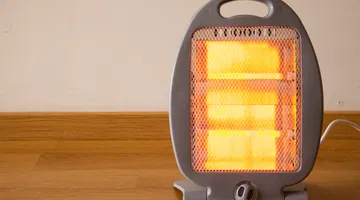
Space heaters post their own risk. They can spark a fire if located too closed curtains, furniture or bedding.
Look for safety features like a smart sensor that automatically shuts off the unit if it overheats, and a tip-over switch that does the same if it’s knocked over. That can easily happen, especially if you have pets or children.
Always plug a space heater directly into a wall. Don’t use an extension cord or power strip, experts warn those accessories typically can’t handle the high currents space heaters draw.
Generators are a no-go in the snow
While generators can help get essential electricity flowing again, it takes only minutes to pump out enough carbon monoxide to make you sick. Longer exposure can knock you out -- even kill you. The gas of course is colorless and odorless.
Make sure your generator is outside -- at least 20 feet away from your home with the exhaust pointed away -- and never run it during rain or snow. Generators must be kept dry.
When turning on the generator, make sure to use a heavy duty, outdoor power cord and let the generator run briefly before plugging in appliances.
Never connect a generator directly to a circuit box or try to power the house by plugging the machine directly into a wall outlet. Known as “backfeeding,” this method can create an electrocution risk to utility workers and neighbors.