The euthanasia rate for animal shelters statewide is starting to tick up slightly, after bottoming out during the pandemic, according to numbers provided by the state.
WRAL Investigates analyzed data from 2024 for every county's shelter to find which shelters have the highest euthanasia rates, which have the lowest, and what may be behind that variation.
Other WRAL Top Stories
The highest euthanasia rates for cats and dogs were at shelters in Nash, Columbus and Washington counties, with rates of 105%, 80% and 74% respectively.
WRAL Investigates reached out to Nash County on Oct. 17 to ask for an explanation of the shelter's euthanasia rate, which suggests they euthanized more cats and dogs than the shelter took in that year. WRAL Investigates later followed up to ask if the number was above 100% because some of the animals euthanized were animals that had been in the shelter from a prior calendar year.
We received a response on Nov. 7 from a county spokesperson, saying: "We believe that the 2024 euthanasia data reported by the Pet Connection Center to the state is inaccurate ... We apologize for the delay in sharing corrected information, but the staff who prepared and submitted the original report are no longer employed by Nash County. Current staff are working with our former veterinarian to try to compile and correct these numbers."
The NC shelters with the lowest euthanasia rates were in Anson, Stanly and Macon counties, with 0%, 3% and 3% respectively.
In total, county and state data analyzed by WRAL Investigates showed more than 20,000 dogs and cats were euthanized in shelters statewide in 2024.
Numbers from 2024 provided by the state show a statewide euthanasia rate of 27%, up slightly from when it bottomed out at 22% in 2021, yet still way down from the 66% euthanasia rate the state had in 2010.
Dr. Patricia Norris, the state's animal welfare director, said she believes euthanasia rates are trending higher, in part, because of the uncertain economy.
"It's a reflection of the community," she said. "It’s a reflection of the economic realities of that community. It’s a reflection of the resources in that community."
"If a family realizes that they're not going to have enough resources for themselves," she continued, "they're not going to take on the responsibility of caring for another animal."
Norris also mentioned that euthanizing a pet can cost hundreds of dollars. Some families cannot afford that, and thus bring their sick or dying pets to shelters for euthanasia instead.
Norris reiterated that, sometimes, euthanasia is the most humane option for an animal. Thus, there is no specific euthanasia rate that puts up a red flag in her mind.
"When animal welfare comes down to numbers and statistics, what I find is the actual welfare of the animal suffers," she said.
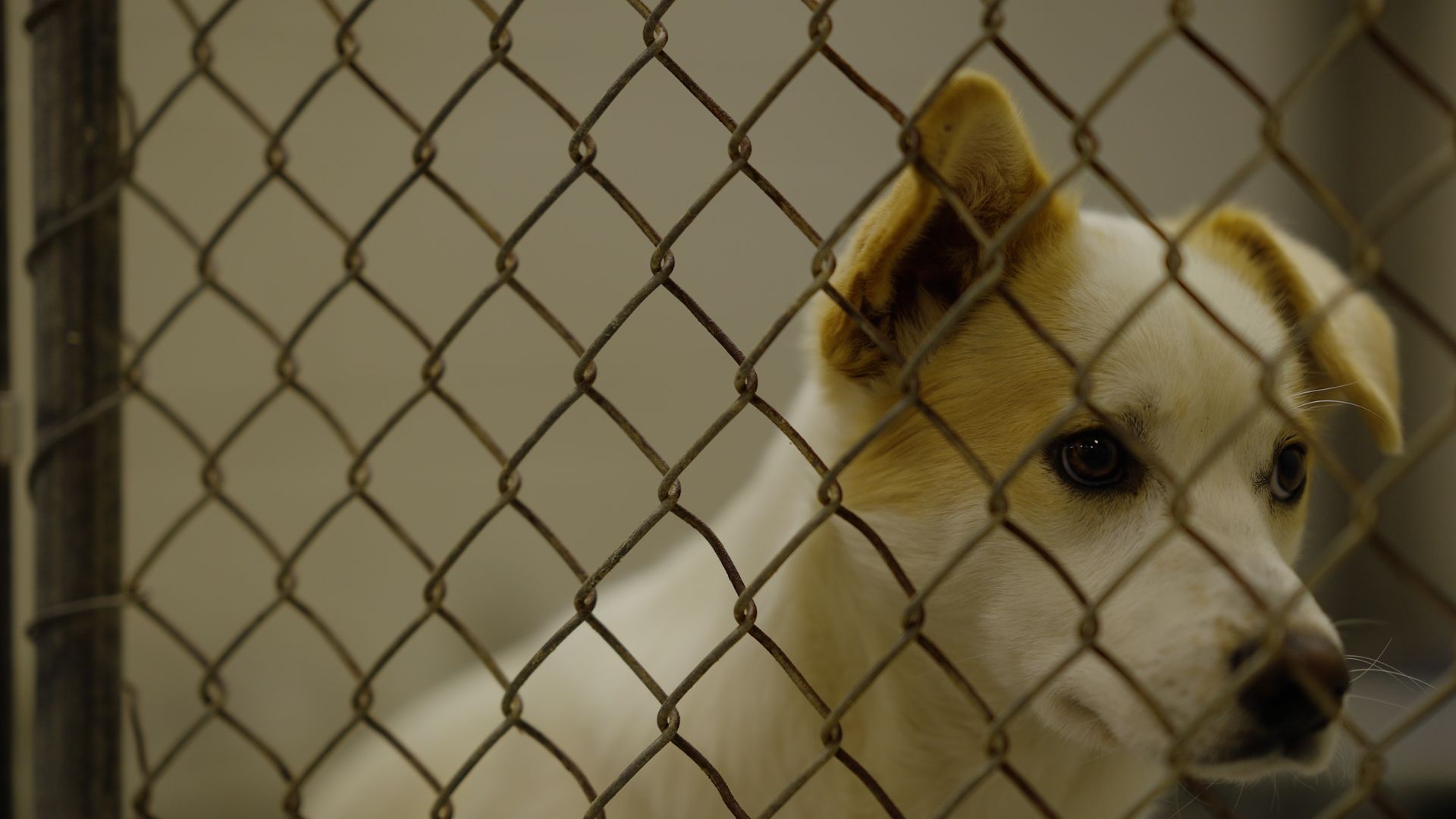
Norris believes the counties with lower euthanasia rates likely have more resources outside of the shelter, including more rescue groups and general community support.
In Wake County's shelter, euthanasia rates for cats and dogs last year was 16%, which is on the lower end when compared to other shelters in the state.
"We've been full for two years," Dr. Jennifer Federico, animal services director for Wake County, said. "And by full, I mean we have twice as many dogs on our adoption floor as we should have."
Federico said, while she would like to give each dog more space, she has to weigh the benefits of an animal having a larger kennel against the desire to fit more animals in the space so as to reduce euthanasia.
"If we were to maintain them as we should, we would have to euthanize half the dogs," she said.
WRAL Investigates asked Federico if she believes she bears the responsibility, as the shelter's director, for trying to reduce the shelter's animal population.
"I don’t think it’s my responsibility to bring down the overcrowding because we are literally doing everything we can," she replied. "There are outside forces that are beyond our control. That’s where we need the community to step in to be responsible. Don’t get a pet if you’re not making a lifelong commitment. If you look at our staff, we are not the problem. Our animals are not here. I cannot be responsible for the actions of everyone who lives in this county."
Federico said that Wake County is seeing more animal surrenders which she, like Norris, attributes in part to tough economic times. She also said that breed and size restrictions at rental homes and apartments are causing some families to have to surrender pets.
"If you run rentals, make them pet-inclusive," she said.
Federico said they are in need of fosters for large dogs in particular.
WRAL asked the state's animal welfare director, Norris, if larger animal shelters would help.
"You cannot build yourself out of this problem," she said. "You cannot warehouse yourself out of this problem."
Although there is no one simple solution to reduce shelter euthanasia rates, Norris says she is hopeful, looking at how much euthanasia numbers have declined in the last 15 years.
"We are making progress," she said. "And I'll take that any day."
For more information on how to volunteer at the Wake County Animal Center, click or tap here.