More than $6.5B in medical debt relieved through NC program. Stein calls it 'life changing news'
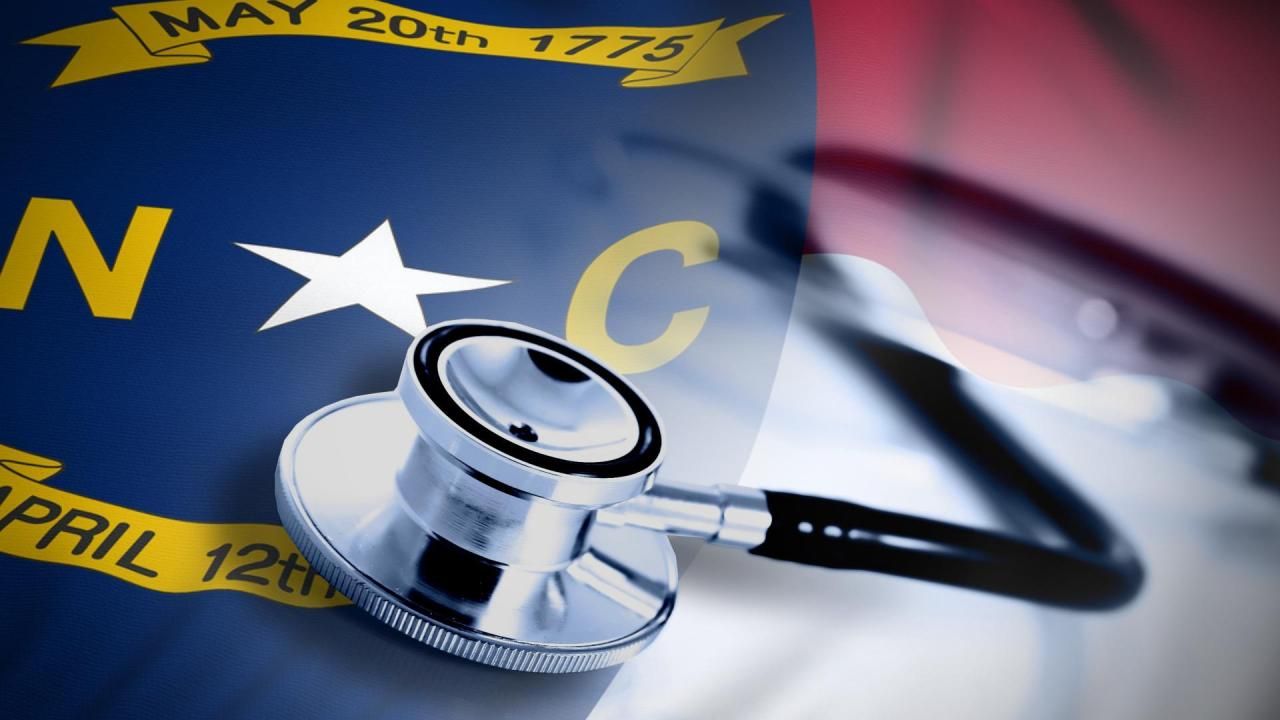
More than $6.5 billion in medical debt has been relieved for more than 2.5 million North Carolinians over the past year, through a program set up by the state and paid for with federal funds.
Poor credit scores, dragged down by debt, can make it hard for people to be approved for jobs, rent applications, or loans to buy a home or start a business. So wiping out billions of dollars in debt — for nearly one-fourth of the state's population — should have immense benefits not just for the people in question but for the broader economy, Gov. Josh Stein said Monday as he announced the news.
Other WRAL Top Stories
"This is life changing news for so many families," Stein said. "Medical debt is a tremendous burden that keeps families from financial security and emotional and physical well-being."
Letters will begin going out in the coming days to people who have had some or all of their debts forgiven.
Some letters will come from hospitals. Other letters will come from the charity Undue Medical Debt, which was also involved in the program.
"We want to end the scourge of medical debt in America — with the goal of putting our charity out of business," said Jose Penabad, the vice-chair of Undue Medical Debt's board of directors. "We firmly believe that when communities can access the medical care they need, when they need it and without fear of financial ruin, our communities are stronger. They're healthier. And they're happier."
North Carolina’s Medical Debt Relief Program — designed to relieve existing medical debt and prevent the accumulation of future debt — was established last year by then-Gov. Roy Cooper. The total announced Monday far surpassed initial projections under Cooper, Stein said, in part because the state's hospitals found more people in their systems who qualified for the debt relief program than they originally anticipated. The figure includes debt relieved through the program directly as well as debt relieved as hospitals updated policies to implement the program.
"Unlike most other forms of debt, medical debt is not a choice," Stein said. "No one chooses to have a heart attack or get diagnosed with a chronic condition, you just have to deal with it. Today's announcement will free people from the financial stress so that they can focus on getting healthy."
Penabad and other health care industry experts joined Stein at the Governor's Mansion for the announcement, saying they believe this is a first-of-its-kind effort nationwide — and one that other states may now be interested in copying.
Stein said all 99 hospitals in North Carolina participated in the program, which is funded through a creative use of federal Medicaid dollars. He framed it as a win-win for the patients, who will be able to get on with their lives, and the hospitals, which will collect money they likely would've never received.
"Most of the debt had been on the books for years," Stein said. "It only served to deprive people who had no way of paying it back of a brighter financial future. If they could have paid it, they would have paid it. So we used an existing federal program that benefits hospitals to reward them for relieving this debt again, debt that they were not going to collect anyway."
Stein's chief health advisor, Department of Health and Human Services Secretary Dev Sangvai, confirmed Monday that the ongoing federal government shutdown isn't affecting the medical debt relief program. He also mentioned that medical debt can be particularly hard for people to prepare for because, unlike buying a home or taking out a business loan, people often go into a doctor's office unplanned in an emergency situation, and with no ability to know how much they might be about to have to pay. And many people make the tough decision not to get needed medical care, he said, because they're worried about either going into debt or being forced to pay outstanding debt to get treatment.
"As a physician, I've seen this firsthand how debt can get in the way of individuals and families getting the care they need," Sangvai said. "Countless times, I've worked with patients who have forgone care because they were worried that they would be asked to pay their debt if they went to the hospital. While this debt can be negligible for the hospital — often uncollectible and more costly to manage than is worth — it represents a heavy burden on the individual."
In addition to working as a doctor, Sangvai was president of Duke Regional Hospital, and also led a lobbying group for hospitals, before joining the Stein administration. He said the way that North Carolina has set up this debt relief program should allow it to continue for years to come. It won't only be the 2.5 million people affected by this round of debt forgiveness, he said, but also future patients unable to afford their bills.
"This is not a one time fix," Sangvai said Monday. "It is a sustainable model that will continue to reduce debt burden and improve access to care in the years ahead."



Copyright 2026 by Capitol Broadcasting Company. All rights reserved. This material may not be published, broadcast, rewritten or redistributed.