Medicaid cuts loom as North Carolina lawmakers fail to reach funding deal
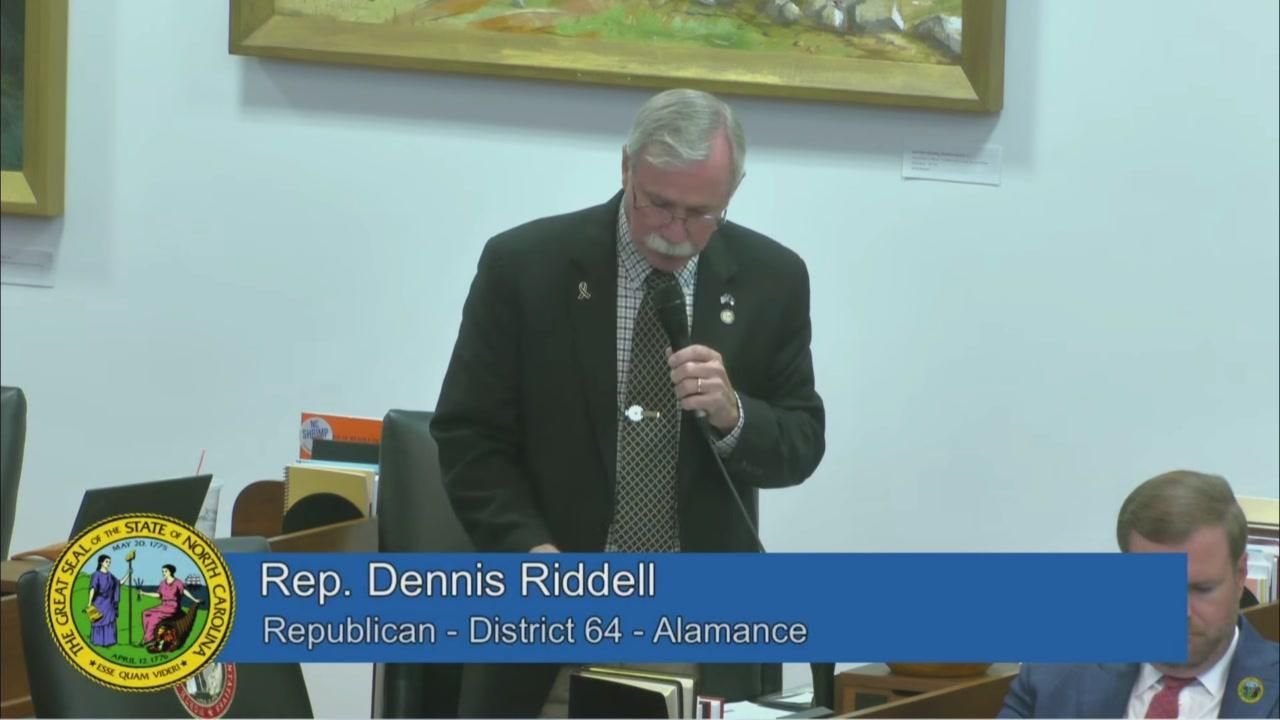
State lawmakers left the capitol Tuesday without striking a deal that would prevent cuts to Medicaid reimbursement rates, which health officials say could happen as soon as next week.
The state Department of Health and Human Services said earlier this year that North Carolina’s Medicaid program needed additional state funding by Oct. 1 to avoid cutting their reimbursement rates to hospitals, nursing homes and other medical providers who treat Medicaid patients.
Other WRAL Top Stories
But this week, the state Senate and House of Representatives passed competing plans for supplying the funding. And Tuesday night, legislators adjourned with no firm plans to return for additional votes.
“Just like any household budget, we must make decisions based on the resources we know are available, not those we hope to receive,” Dev Sangvai, the state’s health secretary, said in a statement Tuesday.
He continued: “And under North Carolina law, the state is required to maintain a balanced budget, meaning we cannot spend money knowing we will run out well before the end of the fiscal year. Without legislative action, health care providers will see reduced payments and North Carolinians will see reduced access to care.”
Medicaid is a health insurer for people who are young, impoverished or disabled that’s funded by the state and federal governments.
Earlier this year, North Carolina health officials said legislators needed to approve $819 million in Medicaid funds for the fiscal year that started in July. State lawmakers supplied only $600 million, saying they wanted more time to examine why additional funding is needed.
Since then, however, legislative leaders have struggled to agree on a vision for funding state government programs.
On Tuesday, the House passed a bill that would appropriate $192 million in additional Medicaid funding, while making up for the remaining funding gap by cutting vacant positions in the state’s health department and potentially other state agencies. The plan would also end the state’s coverage of GLP-1 drugs for Medicaid patients using them only for weight-loss, while leaving federal coverage of the drugs in place.
The sticking point for the chambers is whether a Medicaid package should also include funding for other health-related projects, such as a new children’s hospital in Wake County. The Senate passed a Medicaid package Monday that includes funding for those other projects, while the House bill does not fund those projects.
Republican House leaders believe funding for the children’s hospital and other projects should be part of broader state budget discussions — not legislation that provides emergency funding for Medicaid, said state Rep. Donny Lambeth, R-Forsyth.
“This bill is a clean bill. We're not playing games with it,” Lambeth said, adding that the senate plan called for funding other things “that we just weren't comfortable with.”
State Rep. Grant Campbell, R-Cabarrus, accused Democrats of exaggerating the need for emergency funding. The state health department is part of the executive branch, meaning its leaders are appointed by Gov. Josh Stein, a Democrat. Campbell suggested cuts to the Medicaid reimbursement rate aren’t as immediately necessary as health officials say.
“These cuts are not, I repeat, not necessary next week,” Campbell said.”We have already appropriated over a half a billion dollars, not including the federal amount that will come with that as well.”
Sangvai, the state’s health secretary, has said that there aren’t enough federal dollars to fully fill Medicaid’s funding gaps. And on Tuesday, Stein blamed legislative leaders for the state program’s instability.
“Failure to act will lose us critical federal funding and take more than a billion dollars total out of our state’s health care system, needlessly hurting people’s health, health care providers, and our economy,” Stein said in a statement Tuesday.
He added: “What’s crazy is that both the House and Senate agree that more funding is needed, and they agree on exactly how much, but they’re allowing a separate disagreement between the chambers to sink this critical funding. … It’s inexcusable.”
Hangup over hospital
Republican Senate leaders say their Medicaid package includes money for the children’s hospital, among other things, because state lawmakers already earmarked the funding in a previous state budget and stakeholders are expecting it.
North Carolina Children’s Health — a partnership between UNC Health and Duke Health — plans to build the state’s first standalone children's hospital on 230 acres in Apex. Construction is expected to start in 2027, and the 2023 state budget set aside about $320 million for the project over three fiscal years.
About $216 million has already been spent. The remaining $103.5 million has not been sent to the hospital group in part because legislative leaders haven’t approved a full state spending plan for the current fiscal year. Because of that, state senators are using their Medicaid package to try to get the final children’s hospital payment out the door.
On the Senate floor Monday, Republicans and Democrats alike spoke in favor of the hospital and why it’s needed in the Medicaid funding package.
Legislators need to follow through on their financial commitments to demonstrate that the state is a reliable business partner, they said. But also, the children’s hospital will help bring relief to North Carolinians who are currently traveling out of state to care for their children.
Sen. Kevin Corbin, R-Macon, told legislators about his daughter’s experience seeking cancer treatment, saying: “It's not just convenience, it's not just continuity of care, it's not just availability of care — it's cost.”
Corbin continued: “If you have a children's hospital in North Carolina, you have one that's in-state for most insurance carriers, would be in-network, and that makes a big difference to a lot of families.”
House Speaker Destin Hall, R-Caldwell, dismissed the senate’s claim that the House is going back on its word.
Legislators regularly change the state’s spending plans, Hall told reporters after Tuesday’s vote. And now, House members aren’t fully comfortable funding the children’s hospital project at a time when rural hospitals are struggling across the state.
The Duke and UNC health systems are doing well economically, Hall said, adding: “We have hospitals that are managed by the UNC system across this state, particularly in rural areas, that could use some of those capital funds.”
Medicaid under the microscope
Medicaid has been at the center of multiple political disputes this year.
U.S. Sen. Thom Tillis, R-NC, ended his reelection campaign after a dispute with President Donald Trump over his signature tax and spending legislation, known as the “One Big Beautiful Bill.” Tillis opposed the bill, which Trump signed into law, because it cut federal spending on Medicaid and food stamps. Tillis dropped out of the race after Trump suggested he would withhold support for the two-term senator in next year’s GOP primary.
Trump’s signature bill also blocks Planned Parenthood and other large abortion providers from accessing Medicaid funds.
Planned Parenthood, a national nonprofit, offers a range of services related to sexual and reproductive health — such as cancer screenings, testing for sexually transmitted diseases, wellness exams and more. For years, though, the group has been a target of conservatives because it offers abortion services. State and federal laws prohibit Medicaid funding from being used on abortions, but Republican lawmakers have said they’re uncomfortable sending any taxpayer dollars to the group at all.
Planned Parenthood is challenging the federal law in court. However, earlier this month, a federal appeals court ruled that the Trump administration could move forward with its plan while the legal challenge moves through the judicial system.
Republican state senators are now trying to follow in the federal government’s footsteps. A bill passed by the state Senate along party lines Monday would direct the state health department to disenroll Planned Parenthood as a Medicaid provider and seek the same services elsewhere.
The House didn’t take up the Senate’s proposal Monday. Hall said the House only voted on bills that the two chambers had discussed in advance.
“We didn't hear from the Senate on any of the bills that we did not take up today,” Hall said.





Copyright 2026 by Capitol Broadcasting Company. All rights reserved. This material may not be published, broadcast, rewritten or redistributed.