Should NC gamblers get a tax write-off for losses? Some state lawmakers think so
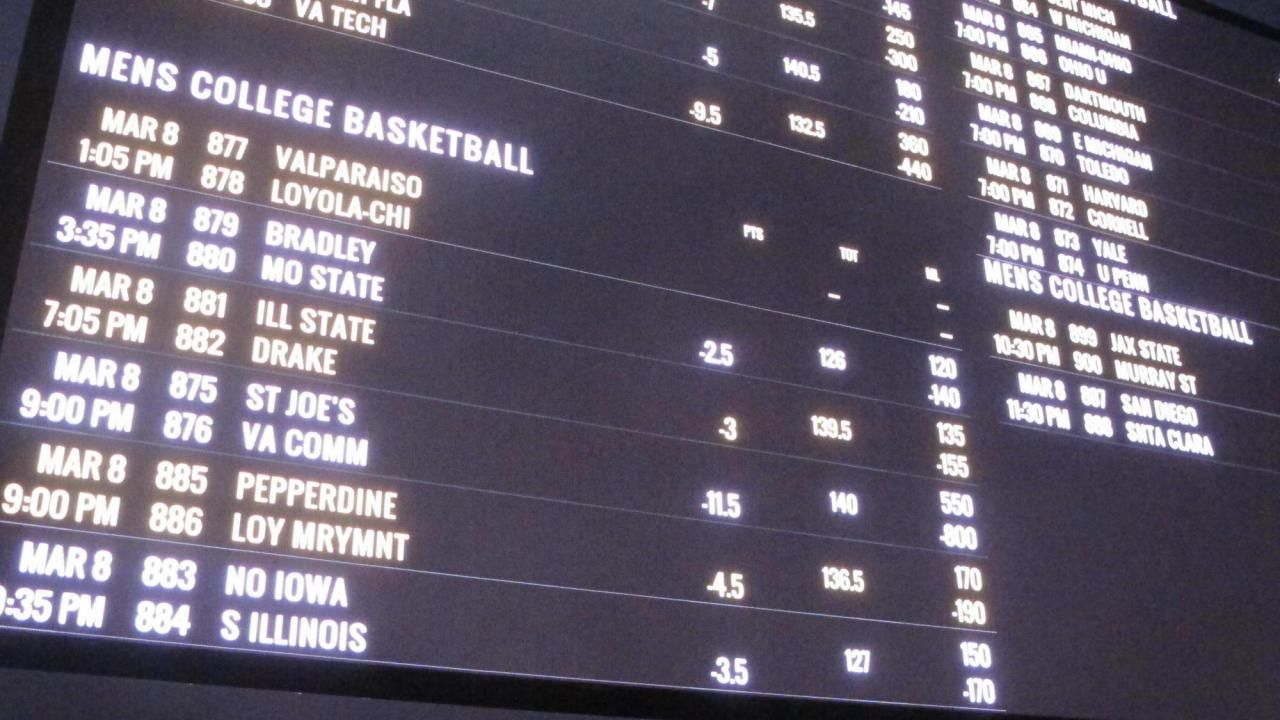
North Carolina state Rep. Keith Kidwell is a strong opponent of gambling, but he spoke in a legislative committee Tuesday pushing for a bill that would help gamblers avoid the big tax hits that some have started to see in the state's first year of legalized sports betting.
The federal government allows tax write-offs for gambling losses. But North Carolina doesn't. Someone who, for example, wins $10,000 betting but also loses another $12,000 betting in that same year would owe the federal government nothing. But they would still owe the state income taxes on their $10,000 in winnings, even though in the end they had negative income from gambling.
Even though they lost $2,000 overall, they'd still have to pay North Carolina an additional $450 in taxes for the $10,000 they won, at the state's current income tax rate of 4.5%.
Kidwell, a Beaufort County Republican who has worked as a local tax and accounting specialist for more than 40 years, told a story about an unnamed client of his who would gamble huge amounts of money at casinos.
"He wins about $300,000 every year," Kidwell said. "He also loses about $300,000 every year. ... He made a series of bets time and time and time again. Won some, lost some. But at the end of the day, he paid over $20,000 in taxes to the state of North Carolina for money he literally did not have."
Kidwell is working with state Rep. Erin Pare, R-Wake, to undo the state's rules that allow people to be taxed on their gross gambling income rather than their net gambling income. And while the advent of sports betting in North Carolina is what led to the bill being introduced, it wouldn't only apply to sports betting losses. Casino losses and even spending on lottery tickets could be used for tax writeoffs in the future if their bill becomes law.
Pare began making this push in 2024, and it gained bipartsian support — including from then-Gov. Roy Cooper, a Democrat. WRAL reported in November that the state could miss out on $20 million or more if gamblers could write off their losses.
North Carolina collected $50 million off sports betting in the nine months it was legal in 2024.
The bill wouldn't apply to all gamblers, however. It would make gambling losses an itemized tax write-off. So people who use the standard deduction on their taxes wouldn't be eligible to take the write-offs. It would only apply to people who already itemize their taxes — or who gamble so much that it would make financial sense for them to start itemizing their taxes, to take advantage of the writeoffs.

For the changes to become law, however, the bill's supporters will have to convince fiscal conservatives in the legislature who favor repealing tax loopholes rather than creating new ones, as well as social conservatives who see the proposal as little more than the state government helping subsidize people with gambling problems.
"By allowing taxpayers to deduct their gambling losses, the bill reduces the immediate financial impact of losing money," said Rev. Mark Creech, a longtime opponent of bills at the legislature focused on gambling, alcohol, marijuana and similar topics.
Creech added: "Gambling is not a victimless activity. It often leads to financial hardship, addiction and a host of social problems that extend beyond the individual. By subsidizing gambling losses through tax deductions, the state is indirectly supporting an industry known for its negative social consequences."
But James Joyce, a sports gambler from Holly Springs who backs the bill — and who has previously advcoated for it to WRAL — told lawmakers Tuesday that he and his friends were excited about sports betting but will quit unless the tax rules change.
"It's tough enough to beat the house, much less also pay additional taxes when we win," he said.
Joyce said investors can write off their losses on their taxes. He questioned why other types of betting, such as on sports, shouldn't be treated the same.
"Imagine if the same tax structure applied to the stock market," he said. "Investors would riot."





Copyright 2026 by Capitol Broadcasting Company. All rights reserved. This material may not be published, broadcast, rewritten or redistributed.