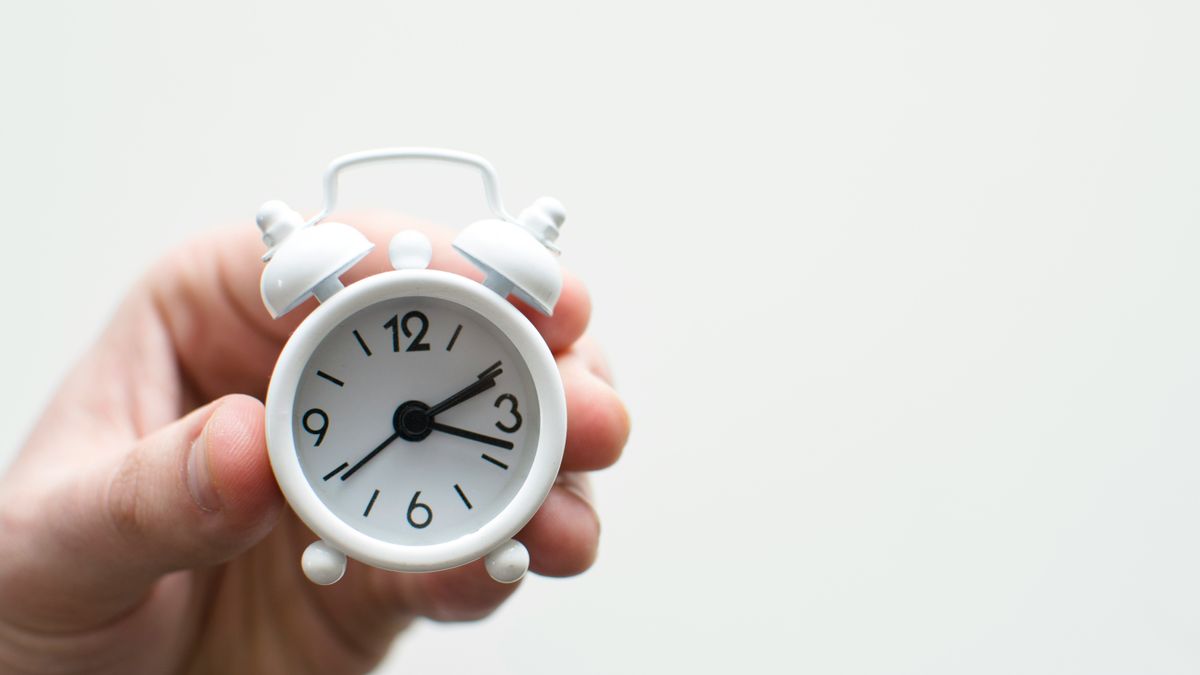
Time to fall back! Daylight Saving Time ends 2 a.m. on Sunday, Nov. 3.
When is Daylight Saving Time?
Other WRAL Top Stories
On Saturday night, Nov. 2, people should set their analog clocks and others that don't automatically adjust back one hour. Note that most smartphones and electronic devices will automatically adjust at 2 a.m.
The time change means many people will gain an hour of sleep -- but it also means earlier sunsets.
The idea of Daylight Saving Time is to make better use of natural daylight. Once the clocks fall back on Nov. 2, you will notice an earlier sunset – around 5:15 p.m. instead of 6:15 p.m.
By the first day of winter on Dec. 21, the sun will set as early as 5:05 p.m.
Daylight Saving Time begins again in March, when the clocks will spring forward.
The start and end of Daylight Saving Time is also a good reminder to check the batteries in smoke detectors in your home.
Health impacts of time change
Many don't like the idea of changing the clocks, and some scientists say it doesn't make sense health-wise.
Many Americans are already sleep-deprived, and a change in time messes with sleep schedules even more, says Dr. Phyllis Zee, a sleep researcher at Northwestern Medicine in Chicago.
Chronic sleep deprivation can increase levels of stress hormones that boost heart rate and blood pressure, as well as chemicals that trigger inflammation, research suggests.
In a poll of 1,000 adults in North Carolina, 2 in 3 people said they want to end the twice-a-year time change. Others want to stay in Daylight Saving Time year-round.
Daylight Saving Time keeps it lighter later in the evening, but it’s darker in the morning. That’s Felicia Scott’s preference.
"It would be good if we could have a little down time," Scott told WRAL News. "You know, wind down a little bit and then get rest, versus going to straight to bed."
The other option, Standard Time, means an earlier sunrise but earlier darkness in the evening. That’s what Charman Driver would prefer, calling the semiannual time change "antiquated."
"I’d personally like more light in the morning," Driver said. "I like to get up early and exercise and walk my dogs."
Will we ever do away with time change?
The U.S. proposed the Sunshine Protection Act, a proposed bill that would keep us on Daylight Saving Time permanently. The bill was passed in the Senate, but it never fully made it to the president's desk.
If the Sunshine Protection Act were to pass, the latest sunrise we'd see would be 8:25 in the morning. Currently, the latest sunrise is at 7:39 a.m. in Raleigh.
The latest sunset would be the same as it is now, but we'd see more sunsets after 7 p.m.
If we were to never alter the time at all and just stay on Standard Time, the consequences would be much different.
The earliest sunrise would be at 4:48 a.m. Currently, the earliest is just before 6 a.m.
The latest sunset would never touch 8 p.m., and there would be 93 fewer sunsets after 7 p.m.