Laura Tonkin loves antiques. She keeps a curated collection of postcards, currency, and photographs in her Durham home.
Yet she didn't know she was living under a piece of history since she moved there.
Other WRAL Top Stories
While her attic was being renovated earlier this year, a worker found an old, tattered letter under the insulation.
"I don't know what this is, but it's very cool," Tonkin said.
The letter, deteriorated into strips of parchment, was written by a man named John B. Woosley.
The name didn't ring a bell to Tonkin. The letter was dated, but with no year. The black ink was hard to read, but Tonkin deciphered it.
When she did, she realized it was a love letter.
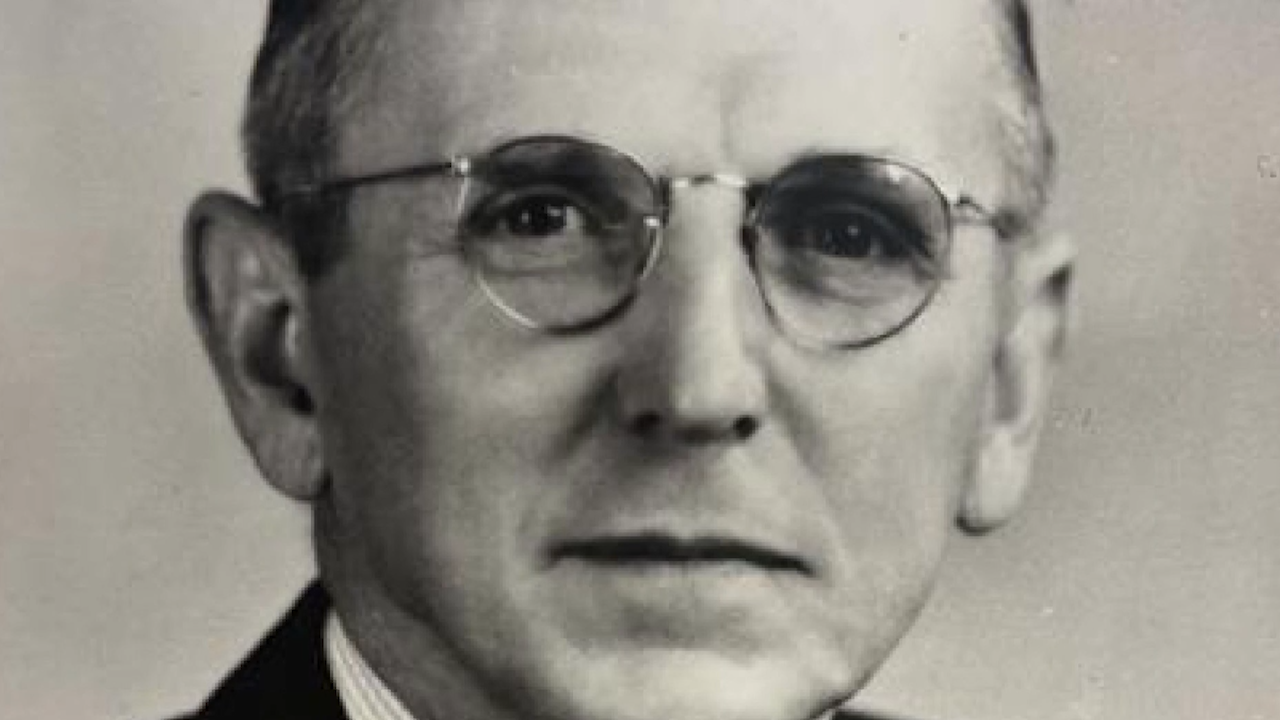
“He was writing to his girlfriend, Oma. It’s a sweet letter," Tonkin said.
It wasn't just any love letter. It was a letter, written by a soldier from the front lines.
Woosley's signature and the stationery, appearing to have been provided by the YMCA at the time, signified that it was written during World War I.
Woosley was a First Lieutenant in the infantry, stationed on the front lines in France.
"He probably wasn't very old. [In his] 20s, I imagine," Tonkin said.
Some parts of the letter are heavy with the weight of war.
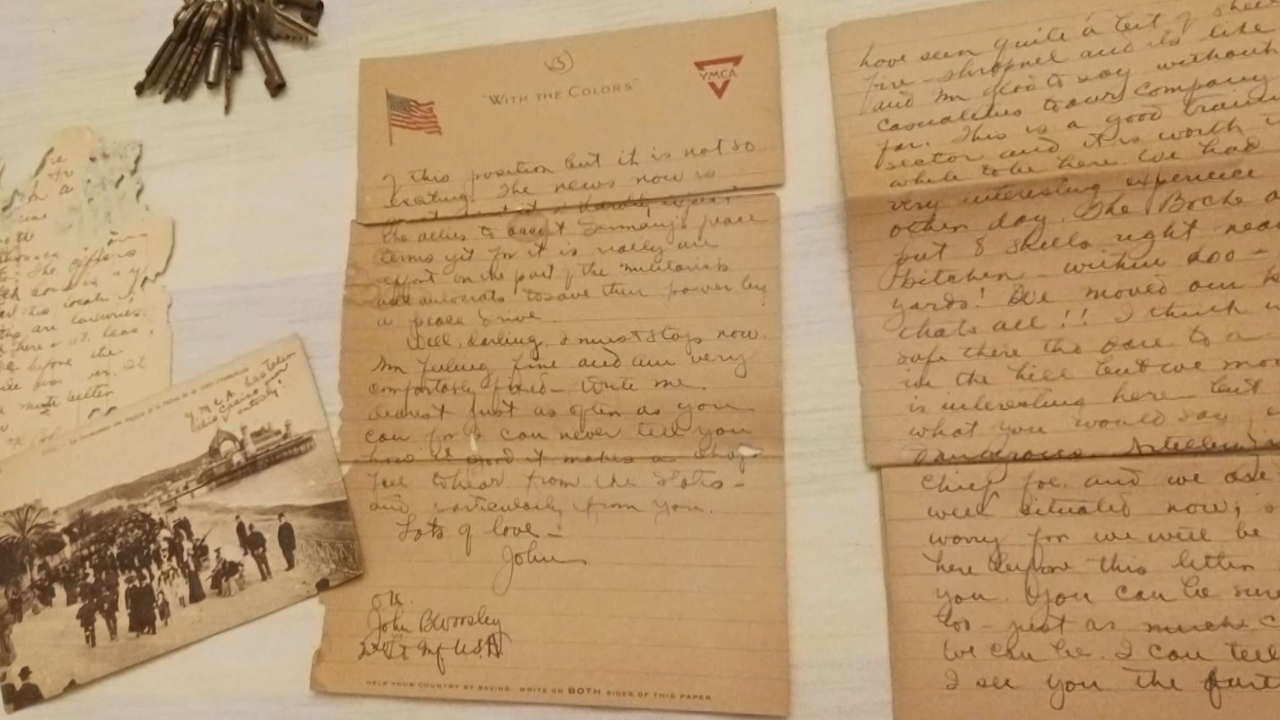
"We have seen quite a bit of shell fire," the letter reads. "Artillery put eight shells right near my kitchen, within 100 to 150 yards."
At one point, Woosley wrote that letters were being censored.
“To think about being on the front, and writing a letter at this time in history, and having to be so careful about what you say," Tonkin said.
Other parts of the letter are light and filled with love.
“He says, 'You had asked about the French girls. I haven’t met too many, but from what I can tell, they don’t compare to Southern Girls,'" Tonkin said, reading the letter.
Tonkin took an interest to learning more about Woosley. Little did she know her research would only take her a few miles down the road.
He was buried in the Old Chapel Hill Cemetery near UNC-Chapel Hill's campus.
His plot is right next to his wife, Oma.
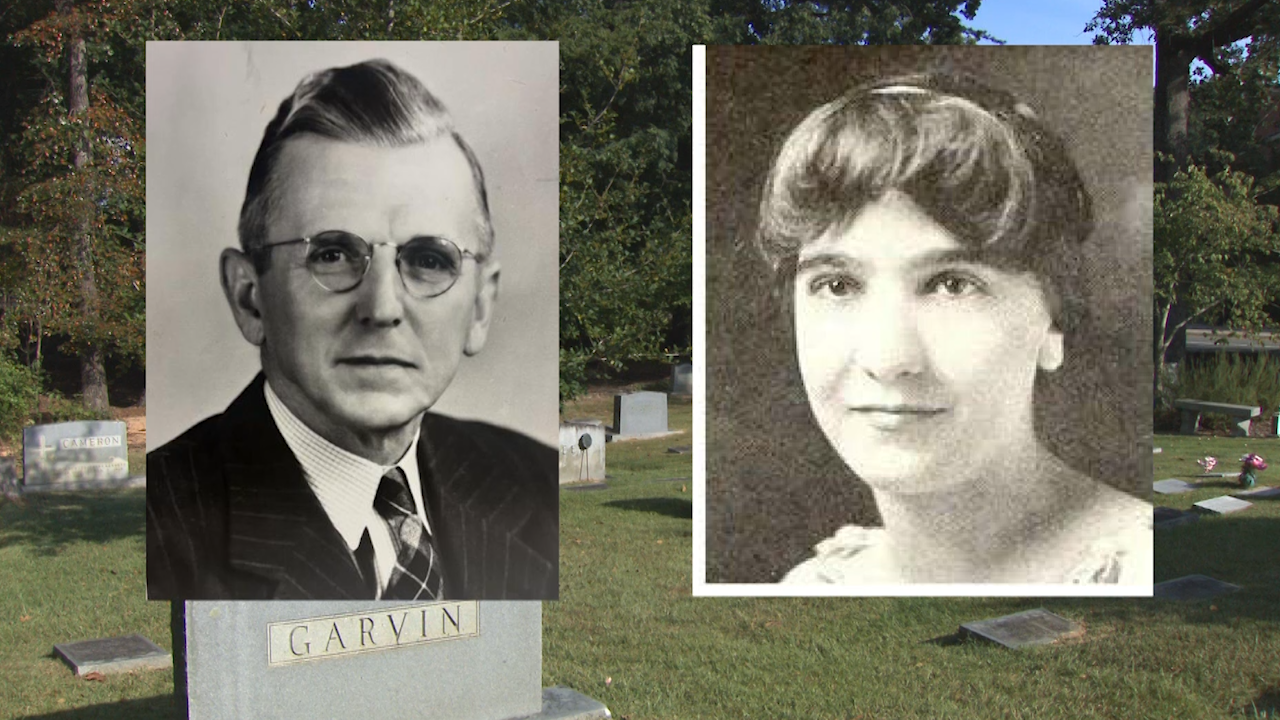
“When we looked him up and found where his grave us, we were like, wow, he’s real, and he’s right over there," Tonkin said.
UNC confirmed that Woosley was from Asheboro. After the war, he studied banking and later became a finance professor in UNC's School of Commerce, which would eventually become UNC's Kenan-Flagler Business School. He was employed at the university from 1947 until Aug. 31, 1953.
In a memorial to Woosley after his death, his colleagues said his pioneer work in developing the North Carolina Bankers Conference at UNC and tracking banking trends "had probably done more to raise the level of performance of small banks in the Southeast than any other agency."
He was described as an engaging professor, with "good humor" and "good will."
He died in 1956, five years after Oma.
They had no other children or family. Tonkin believes the previous owner of her home may have known the family, pointing to a signature on Woosley's death certificate, though their connection is still a mystery.
"Far as I can tell, nobody to return it. So here it sits, for now, anyway," Tonkin said.
Tonkin said she'll continue to hang on to the letter, until a historical society or a possible family member claims it.