Know the signs of a stroke: BE FAST acronym could save a life
This article was written for our sponsor, WakeMed Health & Hospitals.
An acronym adopted by many hospitals, including WakeMed, to detect the signs of a stroke could mean the difference between life and death.
Other WRAL Top Stories
Two million brain cells are lost within the first minute after a stroke starts.
Time equals brain. The faster a person having a stroke receives treatment, the better the chances of a complete recovery and life without disability. Therefore, it’s crucial to recognize the signs of stroke, and respond immediately by calling 9-1-1.
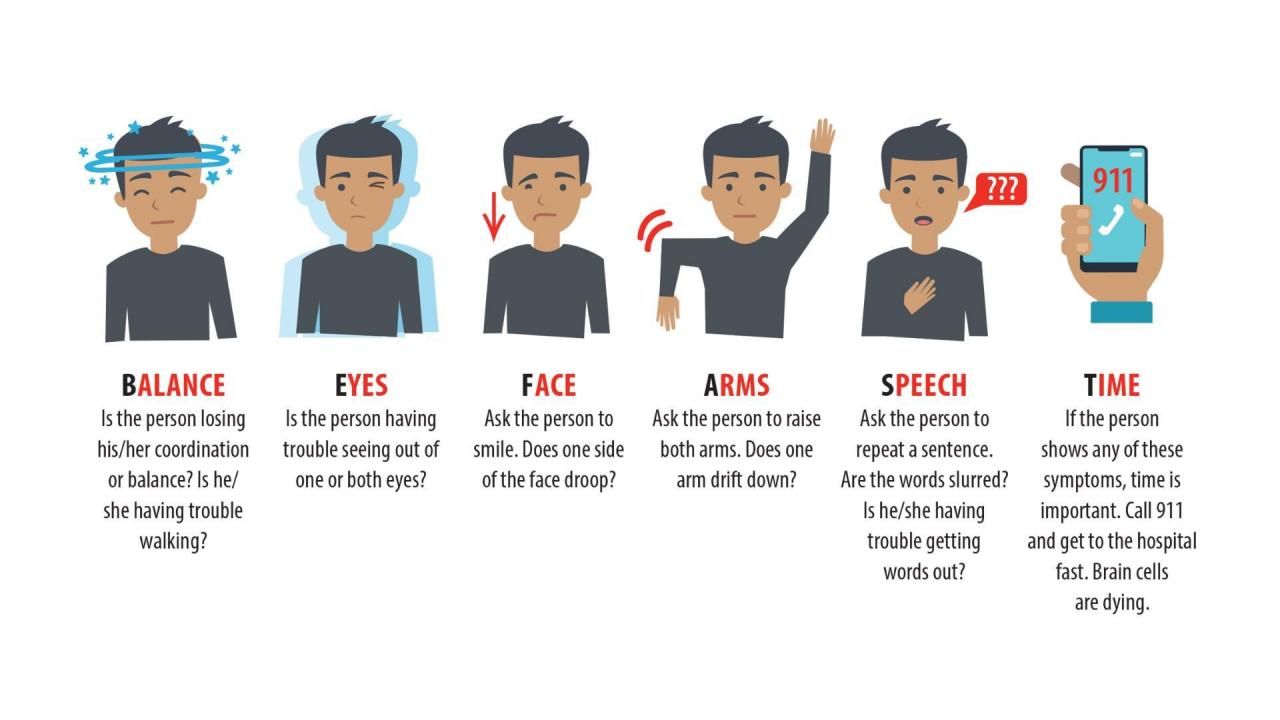
To help paramedics reach a potential stroke sufferer quickly, hospitals are now encouraging people to remember the acronym BE FAST:
- B – Balance: Sudden loss of balance or coordination
- E – Eyes: Sudden vision changes or trouble seeing
- F – Face: One side of the face droops when the person smiles
- A – Arm: One arm drifts down when the person raises both arms
- S – Speech: Speech in slurred, slow or strange
- T – Time: If you or someone around you is experiencing one, some or all of these symptoms, BE FAST and call 9-1-1 immediately for emergency medical assistance.
These symptoms can be difficult to take seriously as they may be subtle, painless and attributed to fatigue or stress. However, they warrant prompt evaluation by a medical provider to rule out stroke. Remember, a certified stroke center like WakeMed is the best place to be when you are having a stroke. Do not drive yourself or the person to the hospital.
When someone is suffering a stroke, time is of the essence. It’s imperative for paramedics to arrive as quickly as possible to begin immediate treatment. These emergency medical responders also know where the closest Joint Commission-Certified Stroke Centers are.
In Wake County, both WakeMed Cary Hospital and WakeMed Raleigh Campus are Joint Commission-Certified Stroke Centers. This means teams of physicians, nurses and other caregivers are ready 24/7 to treat a person having a stroke as quickly and effectively as possible.
How can we prevent strokes?
The National Stroke Association reports eight healthy lifestyle habits to reduce your risk of stroke:
- Eat Better
- Be more active
- Quit tobacco
- Get healthy sleep
- Manage weight
- Control cholesterol
- Manage blood sugar
- Manage blood pressure
Source: The American Heart Association's Life’s Essential 8™
Know your numbers
- Blood pressure – Know your blood pressure. If it’s high, lower it and have it checked often.
- Cholesterol – Know your cholesterol level and if it’s high, lower it.
- Blood Sugar– If you have diabetes, keep it under control.
Sometimes the first step is finding a doctor who can help determine if you have stroke risk factors. Then, the doctor can help manage any chronic health problems that may contribute to an increased stroke risk.
May is National Stroke Awareness Month
National Stroke Awareness Month is an annual opportunity to raise awareness about stroke.
Each May, the American Heart Association/American Stroke Association recognizes National Stroke Awareness Month by educating people about the signs, symptoms and ways to prevent stroke. WakeMed joins in this effort every May.
This article was written for our sponsor, WakeMed Health & Hospitals.







Copyright 2026 by Capitol Broadcasting Company. All rights reserved. This material may not be published, broadcast, rewritten or redistributed.