Pokémon is celebrating its 30th anniversary on Friday.
From video games to television and a wildly popular card game, the media empire has come a long way from its humble roots in Japan.
Other WRAL Top Stories
Here’s a look at how the franchise has grown since it debuted 30 years ago, and why gaming culture celebrates the game on Feb. 27.
What is 'Pokémon Day'?
"Pokémon Day" is an annual celebration of the release of the first Pokémon games in Japan. Pokémon's first Pokémon Day was in 2016 to commemorate the 20th anniversary of the games. Pokémon teased its 30th anniversary celebration weeks before with a one-minute Super Bowl ad asking fans which Pokémon is their favorite.
Pokémon usually uses the day to celebrate special promotions coming to existing games and tease a new game debuting at a later date.
Pokémon has already announced the re-release of Pokémon FireRed and LeafGreen, a remake of the original games that originally released in 2004, will be available on the Nintendo Switch family of systems for $20 each.
Pokémon also revealed that sets for its first official collaboration with LEGO will hit shelves that day as well.
Why is Pokémon Day on Friday?
Pokémon Day is celebrated on Feb. 27 every year to commemorate the release of the original Pokémon games in Japan: Pokémon Red and Green Versions, which were released on the same day in 1996.
30周年を記念した特別な映像を公開!
— ポケモン公式 (@Pokemon_cojp) February 26, 2026
『ポケットモンスター 赤・緑』の発売から30年。
2026年2月27日(金)にポケモンは30周年を迎えたよ。
これまでも、これからも、キミといっしょに冒険を続けていくポケモンたちの映像を楽しんでね。#ポケモン30周年 #ポケモンプレゼンツ pic.twitter.com/BJSOagn6dY
How was Pokémon created?
When Satoshi Tajiri was a child, he spent his time collecting bugs. As he got older, he became concerned that children would lose the joy of finding rare bugs as urbanization took over in Japan.
He, along with Ken Sugimori, eventually began working at Game Freak and created 151 virtual creatures for two games called Pocket Monsters.
Tajiri and Sugimori released Pocket Monsters: Red and Green Versions in 1996 in Japan. While Game Freak is the main producer of the game, the games are also produced by Creatures Inc. and Nintendo.
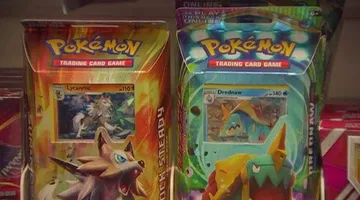
A few months after the release of the Red and Green Versions, the Pokémon Trading Card Game was released in Japan. Nearly a year after the games’ release, the first episodes of the Pokémon anime were broadcast in Japan.
When did Pokémon come to the United States?
Pokémon made its debut in the West in September 1998, when the anime was localized for Western audiences and broadcast by 4Kids Entertainment. Around the same time, Pokémon released Pokémon Red Version and Pokémon Blue Version for the Nintendo Game Boy.
Pokémon trading cards then arrived in the United States the following year.
How has Pokémon grown since it debuted?
Over the course of its 30-year history, the games went from novelty and pop culture phenomenon to one of the most profitable media enterprises of the last 50 years.
There are 39 main series Pokémon games and more than 60 spinoff series games. And as of early 2026, there are more than 125 expansion sets for the Pokémon Trading Card Game.
In addition to being a popular video game and trading card game, the company expanded to toys and an iconic anime that children still reference.
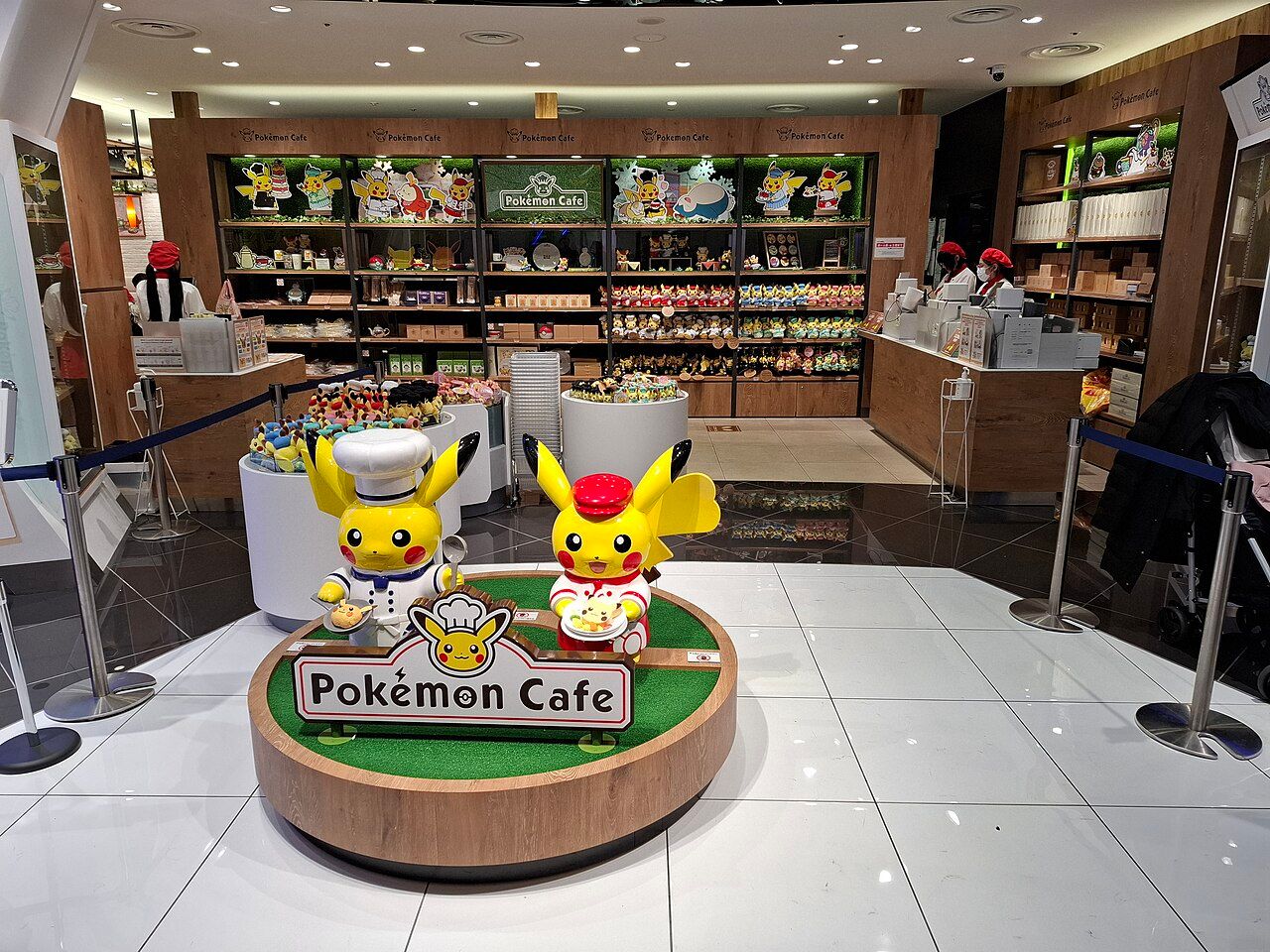
Since its creation in 1996, the franchise is estimated to have generated more than $115 billion between merchandise, video games, trading cards, movies and manga or comics, more than triple the average revenue of the Marvel Cinematic Universe at $35 billion. That doesn’t include microtransactions from various mobile games like Pokémon Go, Pokémon Sleep or Pokémon TCG Pocket.
What are Pokémon’s connections to the Triangle?
Pokémon Company International tapped Millennium Print Group, a printing service based in Morrisville, North Carolina, in 2022 to produce its trading cards. The two groups have been partners since 2015.
WRAL News also learned in December that Millennium Print Group was part of a massive land-lease deal that would expand printing operations for the company. The deal came months after Pokémon acknowledged the struggle fans had getting Pokémon cards from retailers.
How has the Trading Card Game affected Pokémon's popularity?
Since they began producing trading cards in 1996, more than 75 billion Pokémon cards have been printed. Of that total, more than half were printed in the last four years.
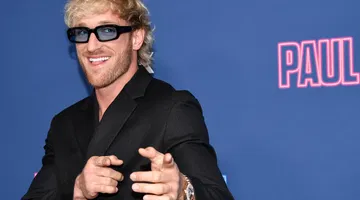
The trading card game has exploded in popularity since 1999, with some cards selling for hundreds of thousands of dollars. One card owned by YouTuber Logan Paul sold for $16 million at auction, setting a record for the most expensive trading card.
It can also be a lucrative opportunity for those looking to invest. According to a report from the Wall Street Journal, Pokémon cards, which pay no dividends and aren't subject to financial regulations that stocks or real estate would be, can have a 3,821% monthly return on an investment, outpacing Meta platforms, baseball cards and the S&P 500.
The potential for money to be made from the card game has led some people to rob retro game and card shops around the Triangle and North Carolina.
How else is Pokémon celebrating its 30th anniversary?
Beyond Pokémon Day, The Pokémon Company International (TPCi) has several plans for fans to celebrate the milestone anniversary.
In August, TPCi will host Pokémon XP, the first expo strictly dedicated to Pokémon and sponsored by the company. The expo will run from August 28 through August 30 in San Francisco, California. It is the same date and location for the Pokémon World Championships for the video games and trading card game.
Pokémon also announced "Pokémon Day Out" and "Pokémon Night Out" events. According to the company, the events will provide "experiences specially designed to give fans of all ages the ability to connect with fellow trainers in interactive and immersive ways."
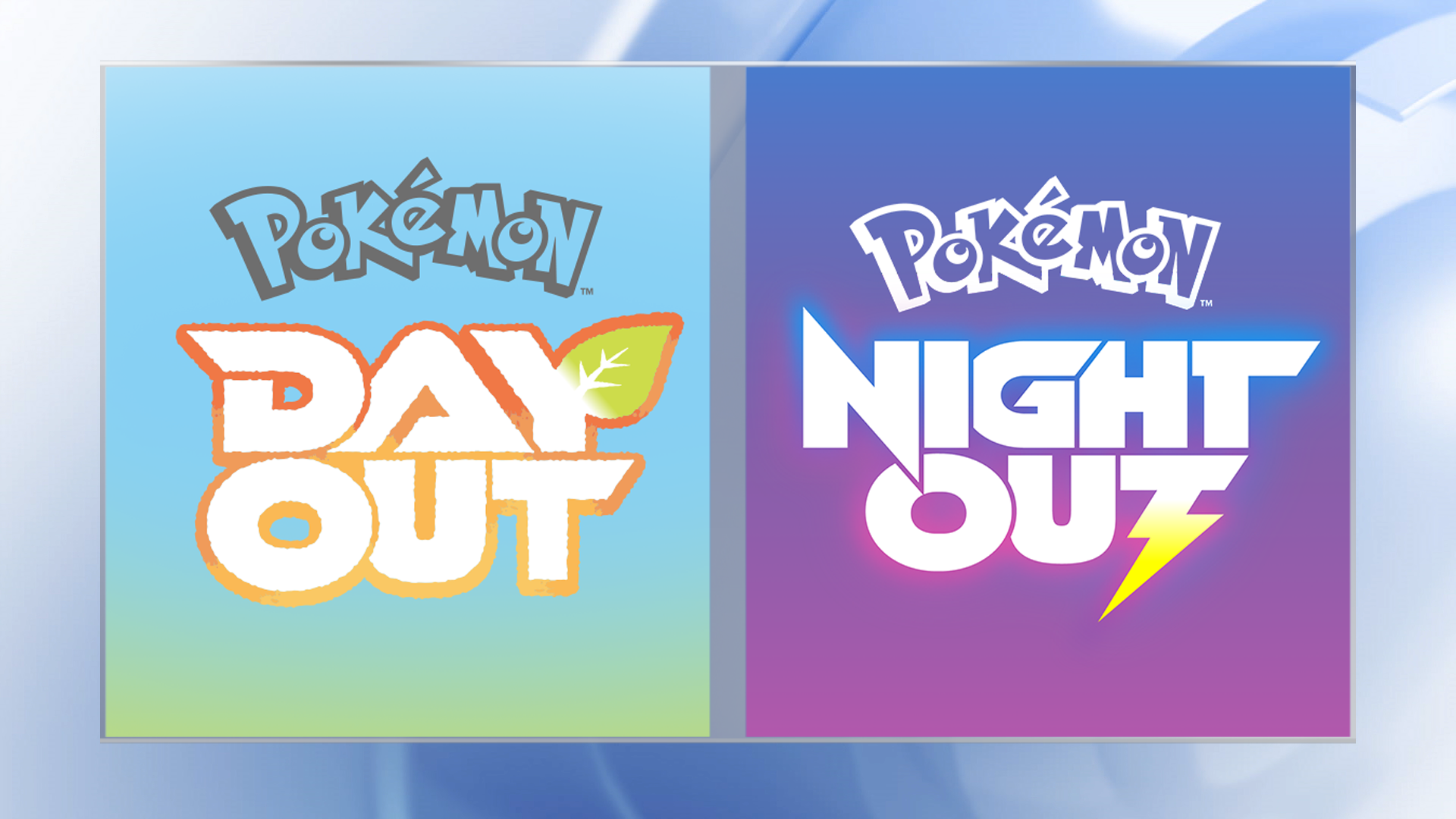
While TPCi hasn't announced when or where these will be hosted as of Thursday, or what activities they will have, the company said Day Out events will feature family-friendly activities and programming, while Night Out events will have fun surprises for longtime fans who grew up with the franchise.