Later this month, I’m heading to Harvard to learn about AI.
Artificial intelligence was once a science fiction trope; today it’s a business fact. It shapes how decisions get made, how work is evaluated, and how much stakeholders trust organizations. Leaders aren’t being asked if they’re using AI; they’re being asked how they are integrating it—and they are being judged on their response.
Other WRAL Top Stories
That reality is what drove my decision to explore AI-driven, human-centered solutions with a world-class instructor and a cohort of business leaders.
AI is a culture and performance issue
When executives talk about AI, most conversations are about tools, speed and efficiency. Less often are discussions about the human element and how to responsibly adopt the technology. But this is where the real impact shows up. When organizations focus on the “how” of AI integration, instead of the “why,” they risk damaging their workplace culture and eroding psychological safety.
In my role as managing director for Workplace Options’ Center of Organizational Effectiveness, I lead a practice focused on culture and performance. Across industries, I see the same pattern when AI enters decision-making environments.
With each machine-generated recommendation, people pause and ask:
● Is it safe to question this?
● Will disagreeing make me look less competent?
● Does leadership want my perspective or just alignment?
These moments determine whether AI strengthens performance or undermines it. Machines can provide relevant information in moments, but they aren’t infallible. Individuals need to feel empowered to express alternate opinions and fresh ideas, even if they contradict the AI guidance.
Psychological safety can be tested when machines enter the room. If leaders aren’t deliberate, AI can unintentionally crowd out the human voice — not through volume, but through perceived authority. When reams of data are behind a recommendation, disagreeing takes a confident employee and supportive leadership.
Building trust when AI is part of the decision
The future of the AI-integrated workplace will be decided by leaders and how they create space for people to contribute, create and innovate. That’s why I wanted to explore AI in a setting that considers human behavior, leadership and decision-making as inseparable aspects of a single technical strategy.
That journey will likely involve wrestling with questions that have no clean answers.
● When should we rely on technology? When should we slow down and verify?
● How do we explain AI-influenced decisions clearly and credibly?
● Who owns the outcome when humans and machines shape it together?
More information isn’t the answer. Instead, leaders need practice navigating ambiguity, explaining judgment calls, and being accountable when decisions are influenced by algorithms. Psychological safety and leadership trust are built by leaders who can explain how a decision was made, why it makes sense, and where its limits are while still owning the final call.
Why being there physically still matters
I could have taken this course online. Many people decide to go that route. But my personal convenience wasn’t the first thing on my mind when I signed up for this experience. Instead, I was thinking about collaboration and innovation.
I believe the most valuable learning happens when peers examine problems from multiple angles, question assumptions, and build on each other’s ideas. Creative tension — marked by honest debate and respectful disagreement — leads to growth, fresh ideas and winning solutions. This process is messy, and it doesn’t happen in isolation. It works best in real time, when people gather in one place to collectively challenge the status quo and refine strategies.
Psychological safety is built in rooms like that. So is leadership effectiveness.
Inclusive leadership in the AI era
Psychological safety, empathy and human-centered leadership are critical to effective workplaces. Organizations that successfully integrate AI prioritize those qualities in the following best practices:
- Begin with human outcomes, not technological capabilities. Every AI implementation should enhance human judgment, not supplant it. The essential question: How does this enable my team
to perform at their best?
- Practice inclusive listening. AI synthesizes information, but it cannot absorb your team's concerns. Create space to hear people, understand their obstacles, and respond with intention.
- Combine algorithmic analysis with human judgement. Deploy AI to reveal patterns and possibilities, then use empathy to guide consequential decisions.
- Invest in emotional intelligence development. As AI handles more technical work, interpersonal capabilities become increasingly valuable. Cultivate empathy, communication depth, and active listening across your leadership pipeline.
As Harvard instructor and AI expert Andrew Storey, says, “Always align technology to business and operational goals. Your customer and people need to be at the center of your decision-making and planning process.”
Culture decides who crosses the finish line
In times of rapid change, leaders don’t earn trust by pretending to have all the answers. They earn it by learning aggressively, asking better questions, promoting psychological safety, and protecting the human side of performance.
I’m not going to Harvard for a credential. I’m going to sharpen my judgment at a moment when leadership itself is being redefined.
AI is changing how fast organizations move. Culture will determine whether they win.
About the Author
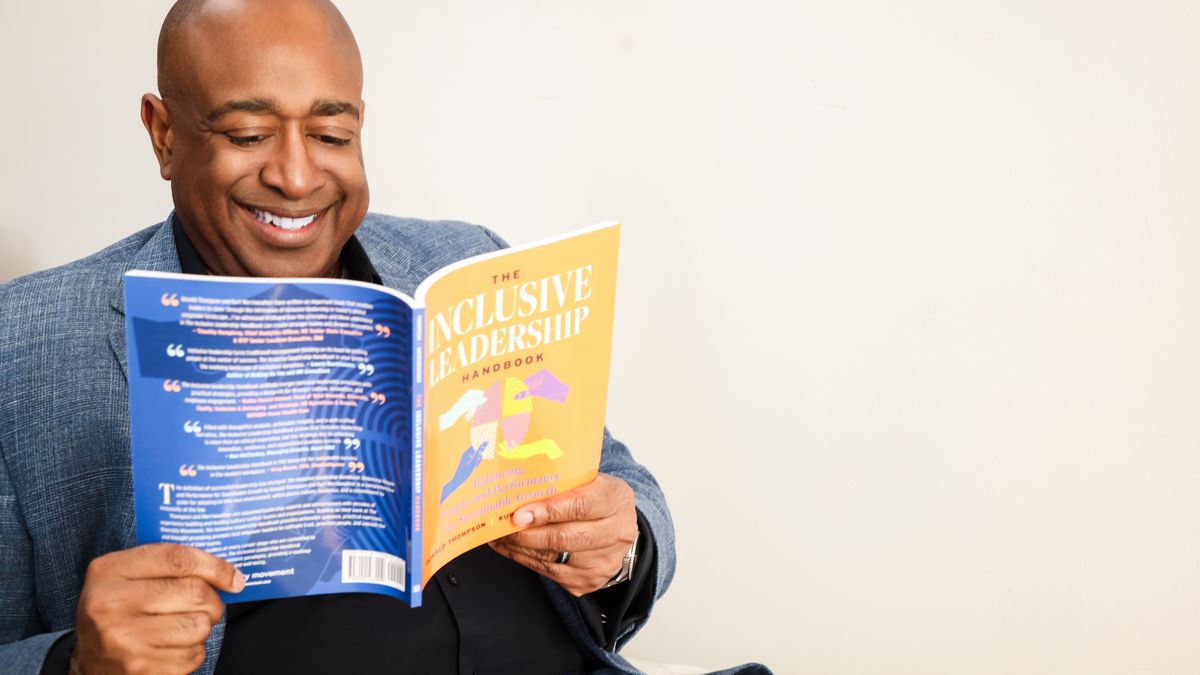
Donald Thompson is an award-winning CEO and multi-exit entrepreneur, honored as EY Entrepreneur Of The Year®, named to Forbes Next 1000, and a 3x Inc. 5000 Chief Executive. Currently the Managing Director of the Center for Organizational Effectiveness at Workplace Options, Thompson is a sought-after speaker on innovation, culture and growth. His books include Underestimated: A CEO’s Unlikely Path to Success, now available as an audiobook; The Inclusive Leadership Handbook: Balancing People and Performance for Sustainable Growth; and The Employee Engagement Handbook, coming in February 2026. He hosts the globally recognized podcast “High Octane Leadership,” and has published widely on leadership and the executive mindset. Follow Thompson on LinkedIn or contact him at info@donaldthompson.com for executive coaching and speaking engagements.